How Often Should Industrial Flow Meters Be Serviced?
Accurate flow measurement is the backbone of efficiency, safety, and compliance across industrial operations. From oil and gas to chemical processing and manufacturing, flow meters provide the data that drives production decisions, billing accuracy, and regulatory reporting. This makes industrial flow meter maintenance a critical responsibility rather than an optional task. Yet many facilities struggle with one central question: how often should industrial flow meters actually be serviced? The answer depends on meter type, operating conditions, fluid characteristics, and regulatory requirements, but one thing is universal. Proactive maintenance significantly reduces costly downtime, inaccurate readings, and premature equipment failure.
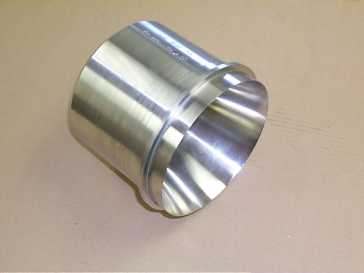
This guide provides a practical, experience-driven overview of how often industrial flow meters should be serviced, how to build effective maintenance schedules, how to clean and calibrate meters properly, and how to recognize warning signs that demand immediate attention. By understanding and applying these principles, operations teams can protect measurement integrity and extend the lifespan of their equipment.
Industrial Flow Meter Maintenance: How Often Is Enough?
There is no single maintenance interval that applies to every industrial flow meter. However, most manufacturers and industry standards recommend a structured approach that combines routine inspections with periodic calibration and cleaning. The goal is to balance operational demands with reliability and accuracy.
For most industrial environments, general service intervals fall into these categories:
- Visual inspections performed monthly or quarterly to check for leaks, corrosion, vibration, wiring damage, or mounting issues.
- Functional checks every three to six months to confirm stable readings and signal output.
- Cleaning and verification annually for clean fluids and more frequently for abrasive, corrosive, or dirty media.
- Full calibration every one to two years, or more often if required by regulations or quality systems.
Flow meters used in oil and gas operations often experience harsh conditions such as high pressure, temperature extremes, vibration, and particulate-laden fluids. In these environments, annual servicing is usually the minimum standard, with some meters requiring attention every six months. Custody transfer meters, safety-critical applications, and meters tied to compliance reporting typically require tighter calibration intervals.
Ultimately, the right service frequency is determined by risk. The higher the cost of inaccurate measurement, the more frequently the meter should be serviced.
Preventive Maintenance for Long-Term Meter Accuracy
Preventive maintenance is the most effective strategy for preserving flow meter accuracy and avoiding unplanned shutdowns. Rather than reacting to failures or data discrepancies, preventive programs focus on early detection and consistent upkeep.
A strong preventive maintenance program includes several core elements. First is a routine inspection. Even simple visual checks can identify early signs of trouble, such as coating buildup, loose connections, or physical damage. Second is cleaning. Many meters experience gradual fouling that may not trigger alarms but slowly degrades accuracy. Third is calibration verification to ensure the meter remains within acceptable tolerance.
Preventive maintenance also supports long-term asset management. Flow meters that are consistently maintained last longer and perform more predictably. This helps maintenance teams plan replacements instead of responding to emergencies.
How to Create a Maintenance Schedule
Creating an effective maintenance schedule requires more than selecting a date on the calendar. It involves understanding how the meter is used and what conditions it faces daily.
Start by identifying key variables that affect maintenance frequency:
- Meter type such as turbine, magnetic, ultrasonic, Coriolis, or differential pressure.
- Process fluid properties including viscosity, abrasiveness, temperature, and chemical composition.
- Operating environment such as outdoor exposure, vibration, humidity, or hazardous locations.
- Accuracy requirements based on production control, safety, or custody transfer.
- Manufacturer recommendations and industry standards.
Once these factors are defined, build a tiered schedule that includes inspection, cleaning, and calibration. For example, a Coriolis meter handling clean hydrocarbons may only require annual verification, while a turbine meter exposed to particulate-heavy flow may need quarterly cleaning and semiannual calibration.
Document every maintenance activity. Logging inspection results, calibration data, and corrective actions creates a performance history that helps refine future schedules. Over time, trends will emerge that show which meters require more frequent service and which can safely operate with longer intervals.
Signs Your Flow Meter Needs Immediate Service
Even with a solid maintenance plan, unexpected issues can arise. Knowing the warning signs of flow meter trouble allows teams to act quickly before small problems escalate.
Common indicators that a flow meter needs immediate service include:
- Sudden or unexplained changes in flow readings without corresponding process changes.
- Inconsistent or fluctuating output signals.
- Loss of communication with control systems.
- Alarms triggered by diagnostics or self-check functions.
- Visible leaks, corrosion, or mechanical damage.
- Increased pressure drop across the meter.
- Failure to meet expected production or balance calculations.
In oil and gas operations, inaccurate flow data can have serious consequences, from lost revenue to regulatory violations. When any of these signs appear, the meter should be inspected and tested as soon as possible. Continuing operation with a suspect meter often leads to compounding errors that are harder and more expensive to correct later.
Common Issues Found During Flow Meter Inspections
Routine inspections often uncover issues that would otherwise go unnoticed until failure occurs. Understanding these common findings helps technicians know what to look for and how to address problems early.
Typical issues include:
- Buildup of scale, wax, or debris on sensing elements.
- Erosion or wear caused by abrasive particles.
- Misalignment due to pipe stress or vibration.
- Damaged wiring, connectors, or grounding.
- Drift in calibration caused by temperature cycling or component aging.
- Improper installation, such as insufficient straight pipe runs.
- Software or firmware issues affecting signal processing.
Many of these problems develop gradually and do not immediately trigger alarms. However, each one can introduce measurement errors that compromise data quality. Addressing them during routine maintenance is far more cost-effective than responding after a failure disrupts operations.
Cleaning Methods for Industrial Flow Meters
Cleaning is a critical part of flow meter maintenance, especially for meters exposed to dirty or reactive fluids. The correct cleaning method depends on the meter design and process media.
Common cleaning approaches include:
- Manual cleaning using approved solvents or cleaning agents to remove buildup from sensor surfaces.
- In-place flushing with compatible fluids to dislodge debris without removing the meter.
- Ultrasonic cleaning for small components when disassembly is required.
- Chemical cleaning using controlled concentrations to dissolve scale or deposits.
It is important to follow manufacturer guidelines when cleaning flow meters. Using incompatible chemicals or aggressive methods can damage sensitive components and seals. After cleaning, meters should always be inspected and tested to confirm proper operation before returning to service.
Calibration Tips to Prevent Measurement Errors
Calibration is the final safeguard against measurement drift. Even well-maintained meters can slowly deviate from their original accuracy due to wear, environmental changes, or electronic drift.
To maximize calibration effectiveness, consider these best practices:
- Calibrate against traceable standards that meet industry and regulatory requirements.
- Perform calibration under conditions that closely match actual operating parameters.
- Verify zero and span settings before and after adjustment.
- Record as-found and as-left data to track drift over time.
- Schedule calibration during planned downtime to avoid rushed procedures.
Some facilities rely on in-situ verification techniques, while others remove meters for bench calibration. Both approaches can be effective when properly executed. The key is consistency and documentation. A well-documented calibration program supports audits, compliance, and continuous improvement.
Cost Benefits of Routine Meter Maintenance
While maintenance requires time and resources, the cost benefits far outweigh the investment. Routine industrial flow meter maintenance reduces unplanned downtime, minimizes scrap and rework, and protects revenue by ensuring accurate measurement.
Financial benefits include:
- Reduced emergency repair and replacement costs.
- Improved process efficiency and yield.
- Accurate billing and custody transfer measurements.
- Lower risk of regulatory fines or compliance issues.
- Extended service life of meters and related equipment.
In industries like oil and gas, even small measurement errors can translate into significant financial losses over time. Preventive maintenance is not just an operational best practice. It is a strategic business decision.
Contact Flowell Corporation Today
Maintaining industrial flow meters is not about reacting to failures. It is about building a proactive system that preserves accuracy, reliability, and confidence in your data. By understanding how often flow meters should be serviced, creating thoughtful maintenance schedules, recognizing warning signs, and applying proper cleaning and calibration practices, facilities can avoid costly disruptions and protect long-term performance.
If you are looking for a trusted partner to support your flow measurement and machining needs, turn to Flowell Corporation. Contact us to learn more about our custom machining and flow measurement products for the oil and gas industry. We are the trusted name in Tulsa, OK, delivering top-notch services and high-quality products backed by three decades of experience and a team of skilled professionals. From precision machining to reliable flow measurement solutions, Flowell Corporation guarantees excellence in every aspect of our work. Reach out today and ensure your operations are supported by expertise you can count on.