RTJ Plate Holder Specifications
Flowell manufactures RTJ plate holder specifications for ring joint orifice flange applications where plate fit, holder style, material, ring size, and machining accuracy matter. These holders are used with ring joint orifice flanges to position the orifice plate correctly in differential pressure flow measurement service. For broader product education, review RTJ plate holders. For complete assembly context, visit orifice plate flow meter systems.
This product information is focused on style, material, fit-up, and quote details. Flowell offers replaceable plate and integral holder options, including Style 590 and Style 560 designs. If you already have line data, ring size, material requirements, or existing hardware details, you can send them through contact Flowell or start with sizing support.
RTJ plate holder specifications & product fit
RTJ plate holders are built for ring joint orifice flange applications where the holder must support accurate plate location, reliable seating, and dependable service in industrial flow measurement systems. The holder style should be matched to the ring size, orifice plate arrangement, material requirement, maintenance approach, and field conditions. A replacement holder should not be selected by name alone because ring joint hardware, flange details, pressure class, and existing assembly dimensions can affect the final fit.
Flowell manufactures RTJ plate holder options for users working with orifice flange unions, universal orifice plates, and related flow measurement products. When the application involves a complete metering arrangement rather than a single replacement component, Flowell can also help evaluate related hardware such as meter tubes and straightening vanes.
For replacement work, the most useful starting details are ring size, existing holder style, line size, flange information, material, bore requirement, and any drawings or previous order records.
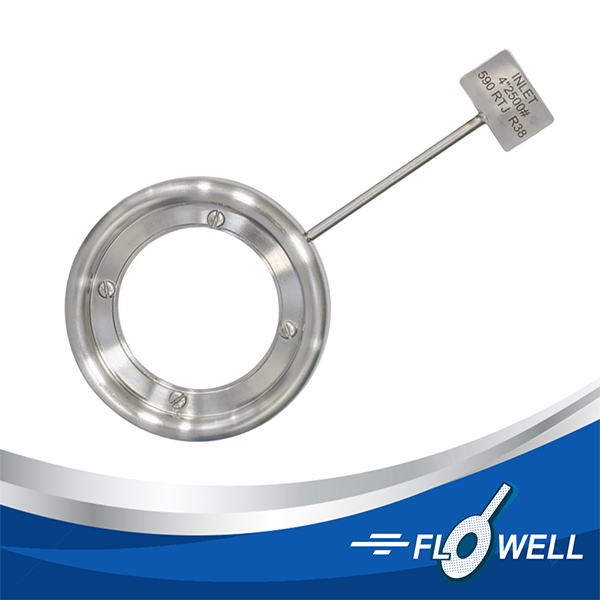
Style 590 RTJ plate holder with replaceable universal orifice plate
The Style 590 RTJ plate holder is designed with hold-down screws that secure a replaceable universal orifice plate. This design can be useful when the plate needs to be changed, inspected, or replaced without replacing the entire holder. For operations that expect future plate maintenance, a replaceable design can reduce unnecessary hardware replacement and make service planning more practical.
Style 590 RTJ plate holder specifications
- Designed for ring sizes R-24 and larger, excluding R-26
- Built with hold-down screws for a replaceable universal orifice plate
- Available in cadmium-plated carbon steel, 304 stainless steel, and 316 stainless steel
- Used where plate replacement, inspection, or future bore changes may be expected
- Supports secure plate positioning when matched correctly to the ring joint flange arrangement
Best-fit use cases for Style 590
Style 590 is typically reviewed when the maintenance plan favors a replaceable plate. It is also useful when the process may require a future plate change because of operating range updates, inspection findings, or replacement scheduling. When a holder change is tied to flow range changes, the relationship between bore opening and measurement behavior should be reviewed alongside orifice plate beta ratio before finalizing the replacement path.
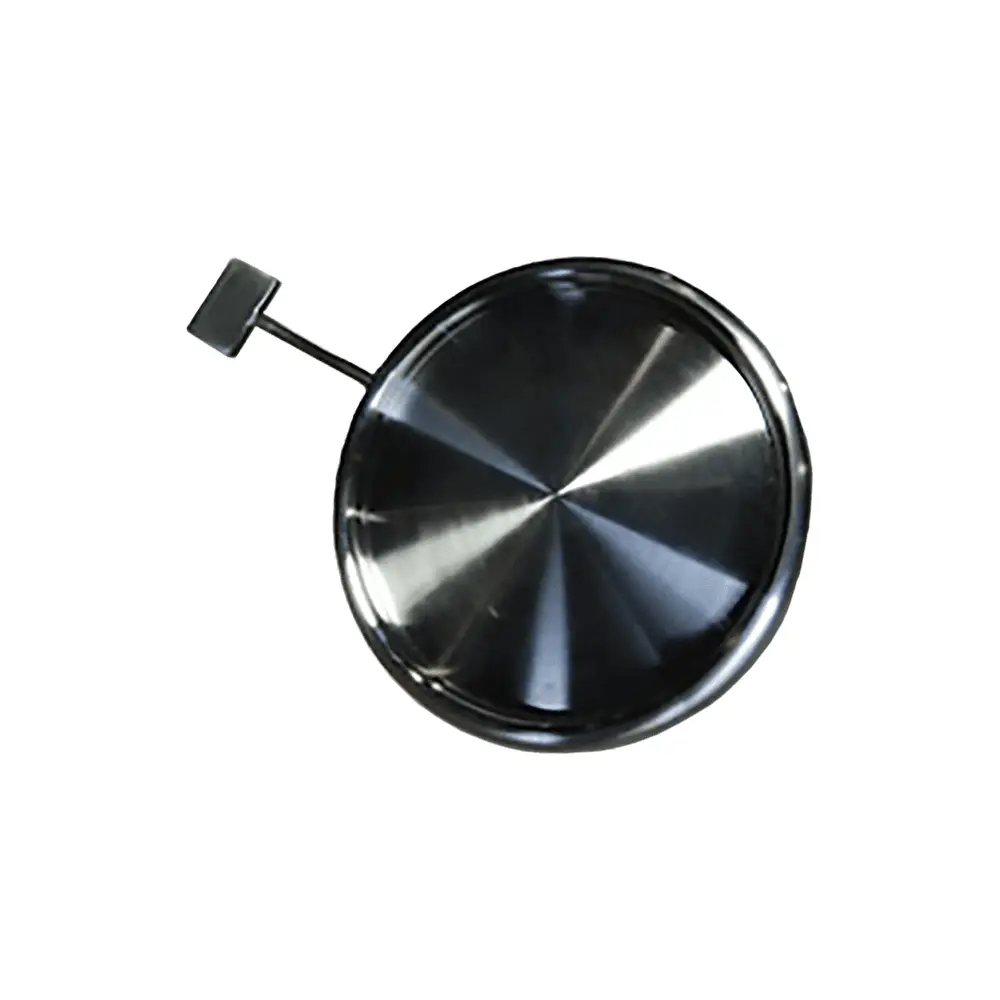
Style 560 RTJ plate holder with integral design
The Style 560 RTJ plate holder uses an integral design where the holder and plate are machined as one piece. This style is commonly reviewed when the application calls for a rugged, single-piece configuration with fewer separate parts in the holder assembly. Because the plate is integral to the holder, Style 560 should be selected with careful attention to dimensions, bore requirement, ring size, material, and operating conditions.
Style 560 integral RTJ plate holder specifications
- Integral plate and holder design machined as one piece
- Available in all ring sizes
- Available in 304 stainless steel and 316 stainless steel
- Built for applications where a one-piece design is preferred
- Well suited for users who want a durable holder configuration with simplified component handling
Best-fit use cases for Style 560
Style 560 is usually considered when the assembly does not need a replaceable universal plate. It can be a strong fit where the bore and holder configuration are already well defined and long-term stability is the priority. If the line is part of a broader differential pressure setup, review differential pressure flow measurement for additional system-level context.
RTJ plate holder material options
Material selection should be based on the service environment, process media, temperature, corrosion potential, pressure class, and plant standards. Stainless steel is frequently reviewed where corrosion resistance is important, while cadmium-plated carbon steel may fit certain Style 590 applications where that material aligns with the project requirement.
| Material Option | Available Style | Typical Reason for Selection | Review Notes |
|---|---|---|---|
| Cadmium-Plated Carbon Steel | Style 590 | Selected where the project calls for carbon steel with plated protection | Confirm compatibility with plant standards, process exposure, and environmental restrictions |
| 304 Stainless Steel | Style 590 and Style 560 | Common stainless option for many industrial environments | Review corrosion exposure, temperature, media, and site requirements before selection |
| 316 Stainless Steel | Style 590 and Style 560 | Often selected where stronger corrosion resistance is preferred | Useful to review when service includes more aggressive media or tougher operating conditions |
| Custom Material Review | Application dependent | Used when standard options do not match service conditions cleanly | Send material specs, drawings, or plant requirements through Flowell contact |
For highly specific field requirements, Flowell can also support related machining needs through custom machine work.
Style 560 vs Style 590 RTJ plate holders
The right choice depends on whether the application needs an integral plate-and-holder design or a holder that accepts a replaceable universal orifice plate. Both styles support ring joint orifice flange service, but the maintenance path and ordering details are different.
| Selection Factor | Style 590 | Style 560 |
|---|---|---|
| Design | Replaceable universal orifice plate held with hold-down screws | Integral plate and holder machined as one piece |
| Ring Size Availability | R-24 and larger, excluding R-26 | Available in all ring sizes |
| Material Availability | Cadmium-plated carbon steel, 304 stainless steel, 316 stainless steel | 304 stainless steel, 316 stainless steel |
| Maintenance Approach | Better fit when the plate may need replacement or future inspection | Better fit when a single-piece holder arrangement is preferred |
| Ordering Priority | Confirm holder size, plate details, screw arrangement, and replacement plate requirements | Confirm integral bore requirement, ring size, material, and flange fit |
Measurement and dimensional details to confirm before ordering
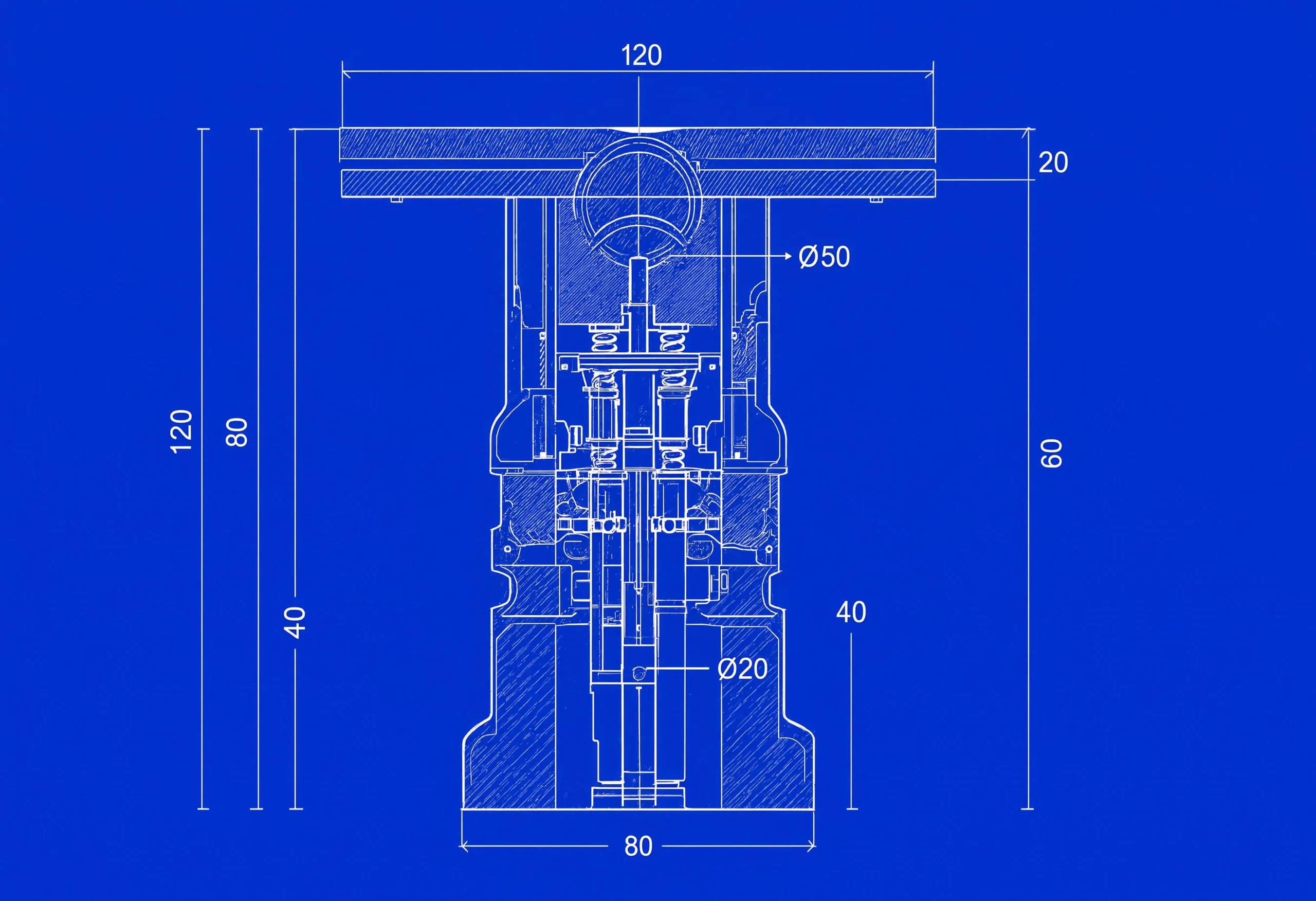
RTJ plate holder orders should be supported by accurate dimensional information. Small mismatches in ring size, bore detail, material selection, or flange fit can create delays or field issues. When the holder is part of an existing installation, photos alone may not be enough. Drawings, prior order details, or direct measurements are usually more useful.
Ring joint and flange details
- Ring size
- Flange type
- Pressure class
- Existing holder style
- Replacement or new installation status
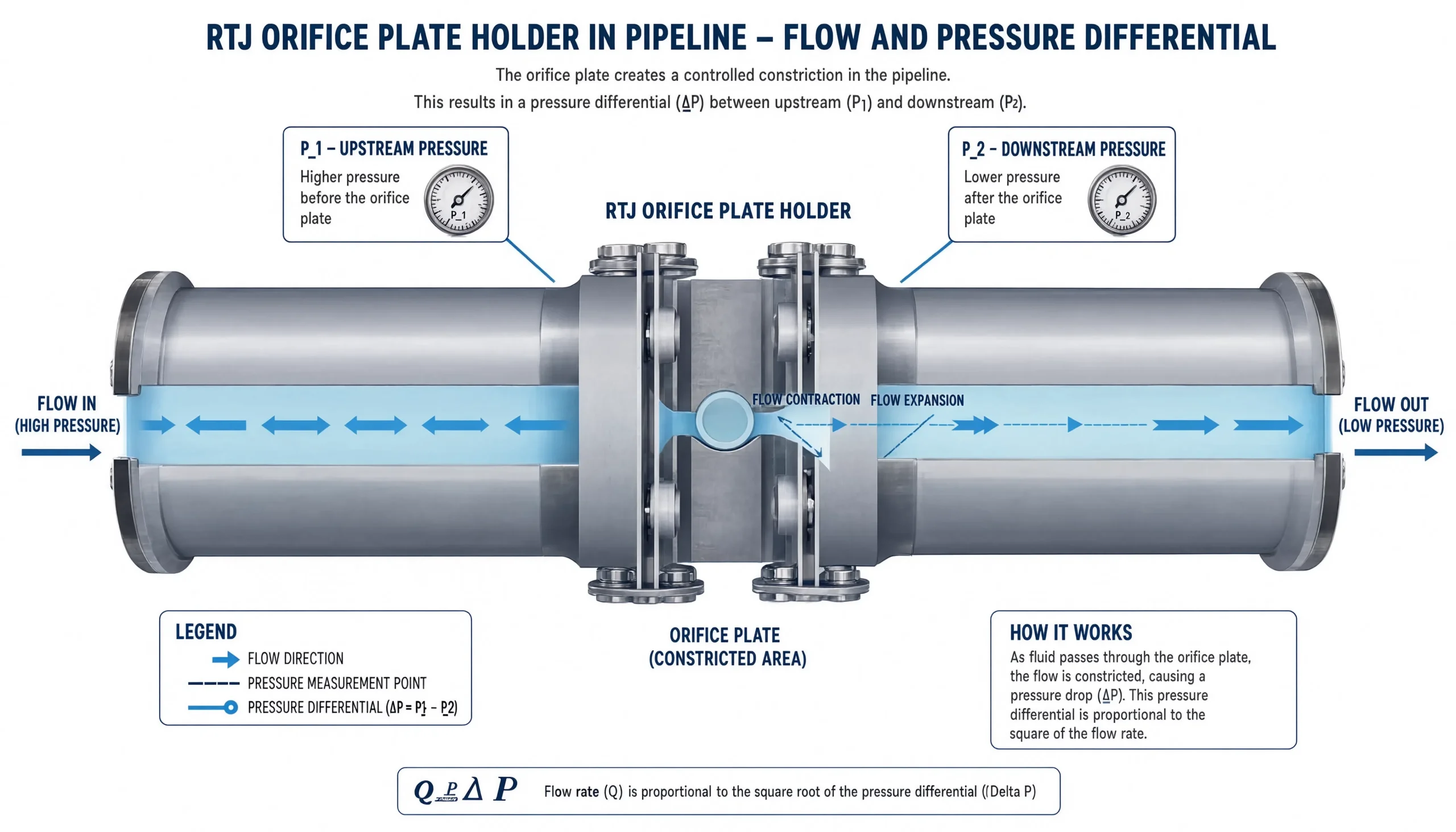
Plate and bore details
- Bore size or calculation data
- Plate style required
- Flow range
- Media type
- Allowable pressure drop
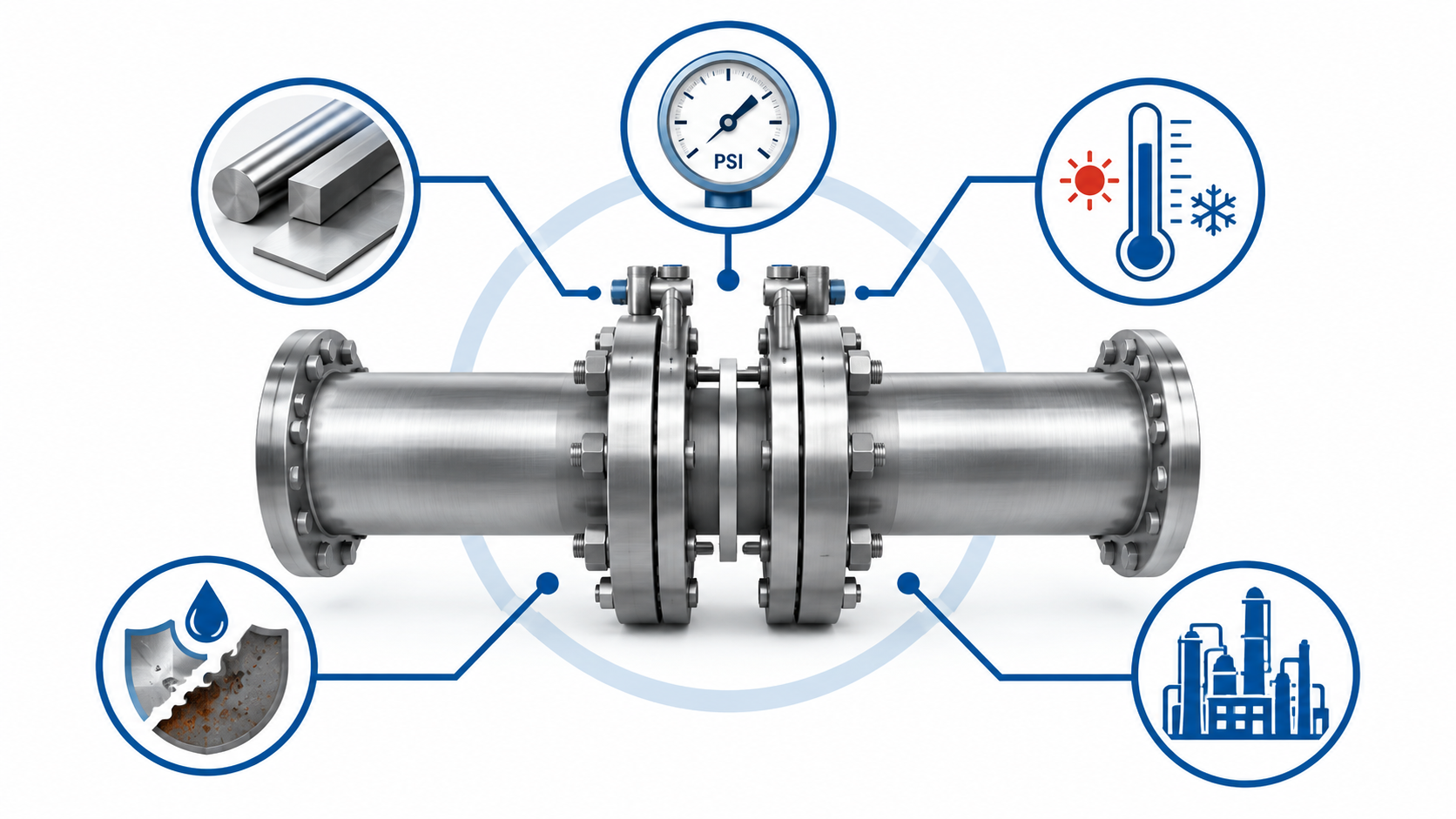
Material and service details
- Material requirement
- Operating pressure
- Operating temperature
- Corrosion exposure
- Plant or project specification
If the bore still needs to be calculated, send line size, internal diameter, media, pressure, temperature, and flow range through Flowell sizing support.
RTJ plate holders in orifice plate flow measurement assemblies
RTJ plate holders are part of the mechanical fit-up that supports accurate orifice plate positioning in ring joint orifice flange installations. The holder does not operate in isolation. Its performance depends on correct flange compatibility, proper plate selection, clean seating surfaces, and a stable flow measurement arrangement. Teams comparing related components may also review paddle-type orifice plates, flow nozzles, and bleed rings when building out or maintaining a broader process measurement setup.
When accuracy concerns are part of the conversation, holder fit-up should be reviewed with the same seriousness as bore sizing, plate condition, and installation geometry. Flowell’s technical overview of flow measurement uncertainty explains why small installation and component variables can matter in differential pressure measurement work.
Inspection, replacement, and field review notes
Inspection should focus on the parts of the holder that affect fit, plate location, and sealing surface condition. For Style 590, the hold-down screws and replaceable plate arrangement should be reviewed closely. For Style 560, the integral plate and holder condition should be evaluated as a single machined component. In either case, visible wear, corrosion, damaged edges, poor seating, or uncertainty about the bore should trigger a deeper review before the component is reused.
Common inspection points
- Ring seating surfaces
- Plate edge condition
- Holder body condition
- Hold-down screw condition on Style 590
- Corrosion, galling, or mechanical damage
- Evidence of mismatch with the flange arrangement
When replacement may be smarter
Replacement should be considered when damage affects fit, bore integrity, sealing surface condition, or plate retention. It should also be reviewed when the operating range has changed enough that the original bore may no longer match the actual flow requirement. If the plate has visible rounding, erosion, nicks, or surface damage, Flowell’s explanation of orifice plate edge wear and measurement accuracy gives useful background before deciding whether the existing component should stay in service.
External technical reference for differential pressure flow measurement
For general engineering background on differential pressure flow devices, many teams reference ISO 5167. That standard can provide useful context for measurement practices, but RTJ holder selection still needs to be tied to the actual flange arrangement, ring size, material, bore requirement, and operating conditions involved in the job.
What to send for an RTJ plate holder quote
A faster quote starts with complete technical details. Flowell can help review existing hardware, replacement requirements, and new application details, but the best recommendation depends on accurate information from the field or project specification.
| Information Needed | Why It Matters |
|---|---|
| Style 560 or Style 590 Preference | Determines whether the holder should be integral or designed for a replaceable universal plate |
| Ring Size | Confirms holder compatibility with the ring joint flange arrangement |
| Material Requirement | Supports corrosion resistance, plant standards, and long-term service fit |
| Line Size and Schedule | Helps verify the surrounding measurement arrangement and bore requirement |
| Media, Pressure, and Temperature | Supports material review and suitability in service |
| Existing Drawings or Photos | Helps identify replacement requirements and reduces uncertainty |
When your details are ready, send them through Flowell’s contact page. If you are still comparing product categories, return to the Flowell homepage or browse industrial flow measurement products.
RTJ Plate Holder FAQs
What is an RTJ plate holder used for?
An RTJ plate holder is used with ring joint orifice flanges to support and position an orifice plate in differential pressure flow measurement service.
What is the difference between Style 560 and Style 590 RTJ plate holders?
Style 590 uses hold-down screws for a replaceable universal orifice plate, while Style 560 is an integral design where the plate and holder are machined as one piece.
What ring sizes are available for RTJ plate holders?
Style 590 is designed for ring sizes R-24 and larger, excluding R-26. Style 560 is available in all ring sizes.
What materials are available for RTJ plate holders?
Style 590 is available in cadmium-plated carbon steel, 304 stainless steel, and 316 stainless steel. Style 560 is available in 304 stainless steel and 316 stainless steel.
What information is needed to quote RTJ plate holders?
Useful quote details include holder style, ring size, material, flange information, line size, bore requirement, media, pressure, temperature, and any existing drawings or replacement part details.
Can Flowell help with replacement RTJ plate holders?
Yes. Flowell can review dimensions, ring size, material requirements, existing assembly details, and operating conditions to help quote a replacement RTJ plate holder.
Request RTJ plate holder specifications from Flowell
If you need Style 560 or Style 590 RTJ plate holders, send your ring size, material requirement, bore details, flange information, and operating conditions through Flowell’s contact page. For broader measurement support, start with sizing support or review orifice plate flow meter systems.