What Are the Common Applications of Orifice Flanges?
The common applications of orifice flanges span virtually every industrial sector where fluid flow needs to be measured, monitored, or controlled with precision. From custody transfer in oil and gas pipelines to dosing systems in water treatment plants, orifice flanges serve as the primary measurement element in differential pressure flow applications across a wide range of process conditions and fluid types. Flowell manufactures orifice flange unions for these demanding service environments. For a full technical overview of how orifice flanges work and how to select the right configuration, visit orifice flange union.
Understanding where orifice flanges are used also helps clarify which configuration, material, and supporting hardware makes the most sense for a given service. The application drives the specification. A custody transfer meter run in a high-pressure gas line has very different requirements than a flow monitoring point in a water treatment facility, even though both may use the same basic measurement principle. For context on that measurement method, differential pressure flow measurement provides a solid foundation before reviewing the application-specific details below.

Where orifice flanges are most commonly used
Orifice flanges are specified whenever a proven, maintainable, and standards-backed differential pressure measurement approach is required. Their combination of broad fluid compatibility, recognized calculation methodology, and practical field serviceability makes them suitable across more application types than most other primary element options. The table below frames the landscape before each application is covered in detail.
| Industry | Typical Application | Key Requirement |
|---|---|---|
| Oil and gas | Custody transfer, wellsite monitoring, pipeline measurement | Accuracy, standards traceability, regulatory compliance |
| Chemical and petrochemical | Process control loops, utility services, safety systems | Corrosion resistance, reliable data for process stability |
| Power generation | Steam, feedwater, condensate measurement | High temperature and pressure performance, long service life |
| Water and wastewater | Distribution monitoring, dosing control, raw water intake | Consistent performance over long maintenance intervals |
| Midstream and pipeline | Allocation metering, pipeline monitoring, interconnects | Auditable measurement, compatibility with AGA and ISO standards |
| General industrial | Compressed air, nitrogen, utility process lines | Low maintenance overhead, compatibility with existing piping |
Oil and gas applications of orifice flanges
The oil and gas industry is where orifice flanges see some of their most demanding and most scrutinized service. Measurement accuracy in this sector carries direct financial and regulatory consequences, which means the hardware and methodology both need to hold up to independent verification.
Custody transfer measurement
Custody transfer refers to the handoff of fluid commodities between parties, such as a producer transferring gas to a pipeline operator or a shipper delivering product to a terminal. The flow measurement at these handoff points determines the commercial value of the transaction, so accuracy and auditability are non-negotiable. Orifice flanges backed by American Gas Association (AGA) methodologies for gas or ISO 5167 for liquid and mixed-phase service provide the recognized calculation basis that regulators and commercial counterparties expect.
Wellsite and gathering system monitoring
At the wellsite and across gathering networks, orifice flanges monitor fuel gas, produced water, and process streams where conditions can be variable and access for maintenance is limited. The all-metal construction, rugged pressure class options from CL150 through CL1500, and union-style plate access make them a practical choice for these environments. Supporting hardware such as meter tubes and straightening vanes help maintain measurement quality even in layouts with limited straight run.
Flare and vent monitoring
Regulatory requirements in many jurisdictions require documented measurement of flare and vent streams. Orifice flanges provide a practical measurement point for these applications, particularly where the flow is intermittent and the fluid composition may vary. The ability to re-range the measurement by changing the orifice plate without removing the flange assembly from the line is especially valuable in these contexts.
Refinery process lines
Inside refineries, orifice flanges appear in process control loops, utility services, and monitoring applications across a wide range of pressures, temperatures, and fluid chemistries. Stainless steel and special alloy options through custom machine work cover the more demanding service conditions where carbon steel falls short.
Common applications of orifice flanges in process industries
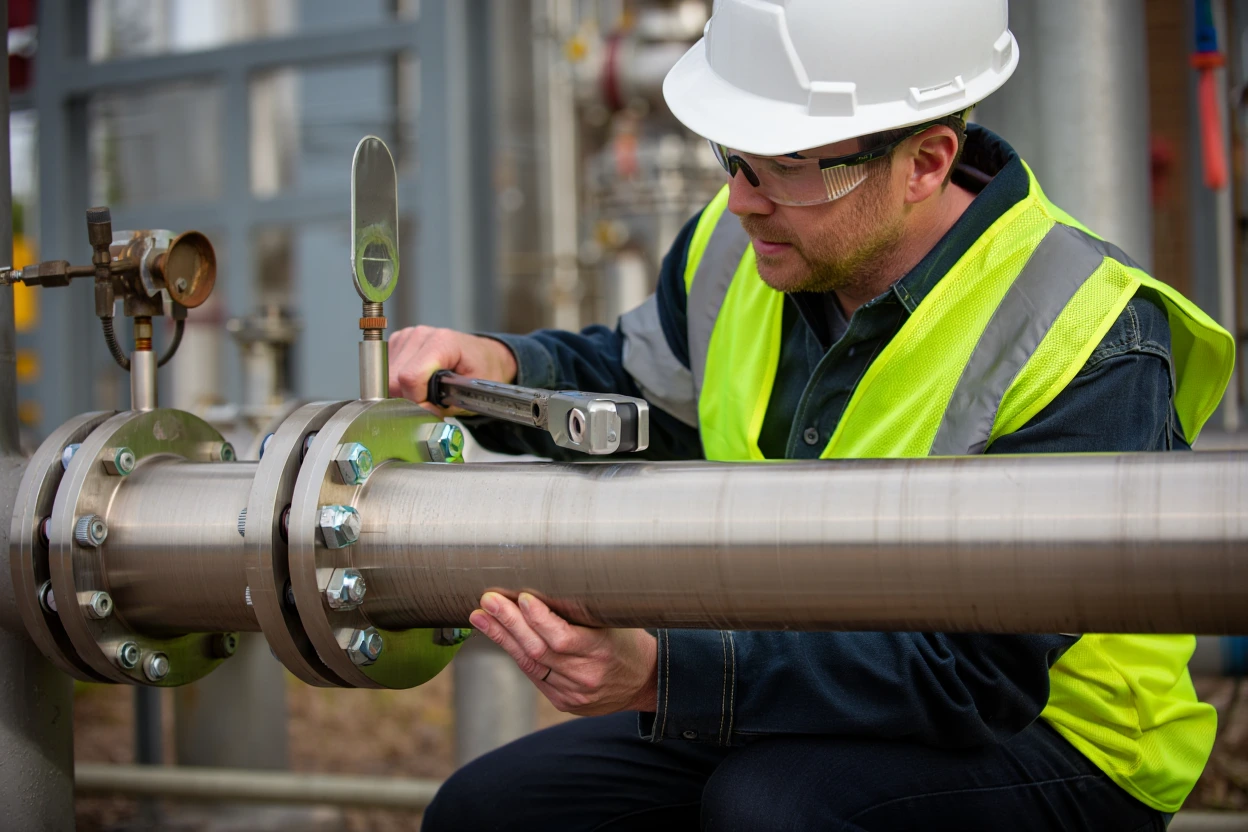
Chemical, petrochemical, and general industrial process applications rely on orifice flanges for the same core reasons as oil and gas: a known, standards-backed measurement method that can be maintained and verified without taking the line out of service. The difference in these applications is often the fluid itself. Process fluids may be corrosive, viscous, abrasive, or reactive, which places different demands on material selection and plate geometry than a clean gas or water service would.
Chemical and petrochemical process control
Accurate flow measurement in chemical plants and refineries directly affects product quality, yield, and safety. Process control loops that rely on flow data to regulate feed rates, mixing ratios, and reaction conditions need a primary element that delivers consistent, repeatable readings over long operating intervals without requiring frequent recalibration or replacement. Orifice flanges serve this role across a broad range of process chemistries, with material selection tailored to the specific fluid. For services where corrosion, erosion, or solids content would affect measurement quality over time, carbon and stainless steel strainers upstream of the meter run help protect the plate edge and extend service intervals.
Supporting measurement accuracy in variable process conditions
Process conditions in chemical and industrial service are rarely constant. Flow rates change with production schedules, temperatures vary with seasons and process upsets, and fluid properties shift with feedstock composition. A well-specified orifice flange handles this variability by matching the beta ratio to the expected operating range and configuring the surrounding meter run to condition the flow profile before it reaches the primary element. What factors affect flow measurement accuracy covers the key variables in more detail for teams troubleshooting or designing a new measurement point.
Power generation and steam system applications
Steam and high-temperature service environments put different demands on flow measurement hardware than ambient-temperature liquid or gas applications. Thermal expansion, condensate formation in instrument lines, and the consequences of measurement error in energy accounting all deserve attention when specifying orifice flanges for power generation service.
Steam flow measurement
Orifice flanges are used to measure steam flow in boilers, distribution headers, and process steam systems where accurate energy accounting and safety monitoring both depend on reliable flow data. The orifice plate must be specified for the actual steam conditions, including pressure, temperature, and quality, to produce meaningful differentials across the operating range. Condensate management in the impulse lines is addressed through condensate chambers, which maintain a stable liquid seal between the process and the transmitter.
Feedwater and condensate return
Boiler feedwater systems and condensate return lines use orifice flanges to monitor flow rates that directly affect boiler efficiency, chemical dosing rates, and makeup water consumption. These applications often involve elevated temperatures and pressures that require careful attention to pressure class, face type, and material selection. RTJ face types and higher-class flanges are more common in these services than in lower-pressure utility applications. Related hardware including bleed rings may also be part of the assembly where venting or draining capability is required at the measurement point.
Water, wastewater, and utility system applications
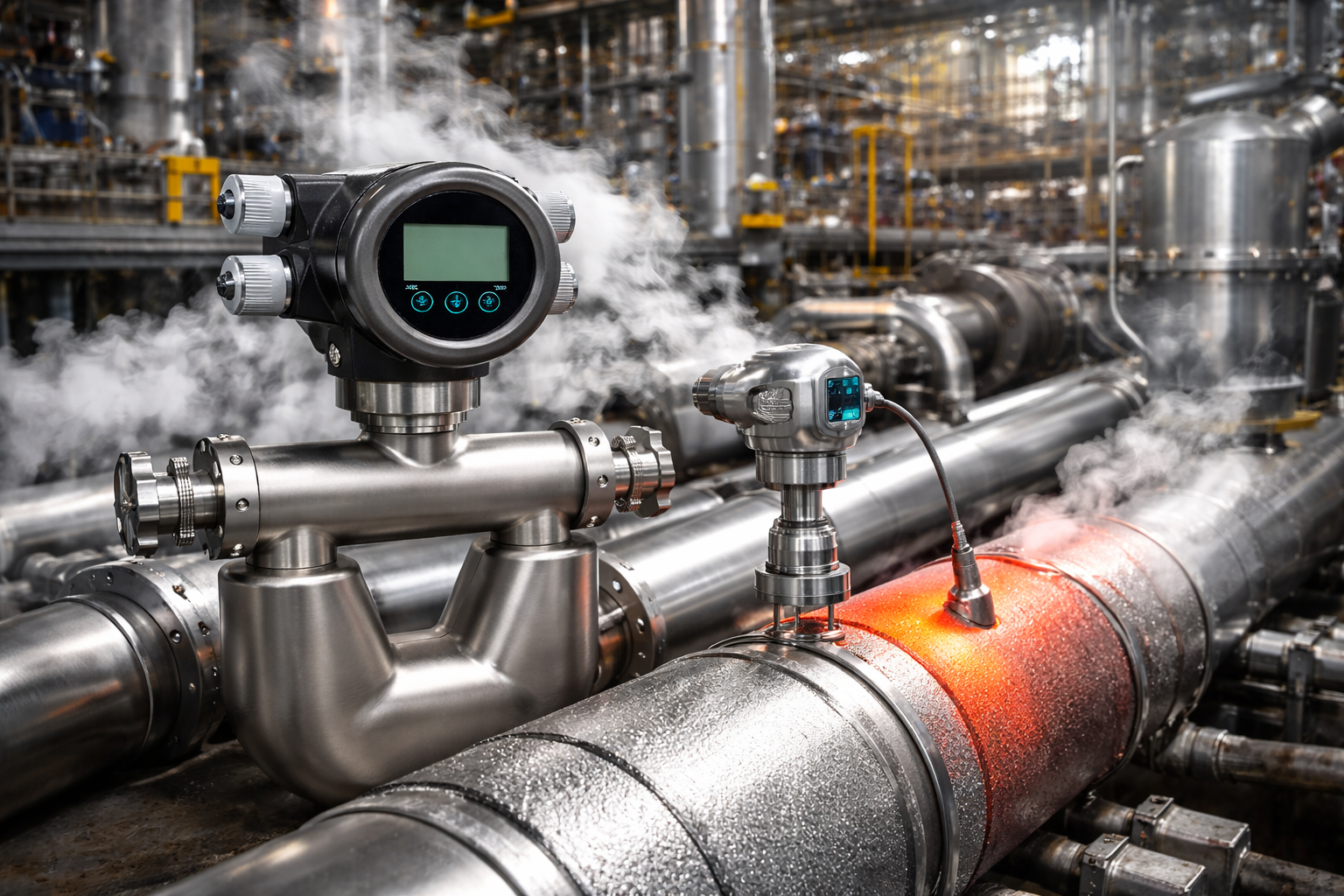
Water treatment and distribution systems represent one of the highest-volume application areas for orifice flanges because the service conditions are relatively benign, the maintenance intervals can be long, and the need for consistent, verifiable flow data is ongoing. The same qualities that make orifice flanges attractive in demanding oil and gas service, specifically their standards-backed measurement methodology, all-metal construction, and practical maintainability, translate directly into value in water and utility applications where simplicity and long service life are the operational priorities.
Municipal and industrial water treatment
Raw water intake, treatment process stages, and finished water distribution all benefit from orifice flange measurement points that provide accurate flow data without requiring specialized maintenance expertise or frequent attention. Chemical dosing systems are particularly sensitive to flow measurement quality because the dosing rate is calculated directly from the process flow reading. An orifice flange that holds its calibration over time produces better dosing accuracy and better treatment outcomes than a device that drifts and requires frequent correction.
Gas distribution and compressed utility services
Natural gas distribution networks, compressed air systems, and nitrogen utility lines across industrial facilities use orifice flanges to monitor flows at key points in the distribution system. These applications benefit from the low maintenance overhead of the orifice flange approach, since the primary element does not require periodic recalibration and can be inspected or replaced without removing the assembly from the line. The ability to re-range the measurement by changing the plate bore is particularly useful in utility applications where operating conditions change over time as the facility grows or production requirements shift.
Midstream, pipeline, and allocation measurement
Midstream applications place some of the strictest requirements on orifice flange measurement because the flow data directly supports commercial transactions, regulatory reporting, and operational decisions that affect multiple parties. Getting the measurement right means specifying the full assembly correctly, not just the flange union itself.
Pipeline interconnects
At points where pipelines connect across ownership boundaries or between operating systems, orifice flanges provide a measurement basis that both parties can verify independently using the same published methodology. This auditability is one of the core reasons orifice-based DP measurement has retained its position in these applications even as other technologies have become available.
Allocation metering
When multiple producers or shippers share a pipeline or processing facility, allocation metering determines each party’s share of the commingled stream. Orifice flanges are commonly used in these measurement points because the underlying methodology is well understood, the hardware is standardized, and the results can be reviewed against a recognized calculation basis by any party to the allocation agreement.
LNG and gas processing facilities
Liquefied natural gas facilities and gas processing plants use orifice flanges at measurement points throughout the facility, from inlet metering through product rundown to storage and loading. The pressure and temperature ranges in these facilities can be extreme, which makes material selection, pressure class, and face type decisions especially consequential. A full review of how orifice flanges fit within these systems is available through orifice plate flow meter systems.
For midstream and custody transfer applications, the meter run design including straight run, flow conditioning, and associated instrumentation is as important as the flange union itself. Flow measurement systems covers the full assembly context for these more demanding measurement points.
Matching orifice flange configuration to the application
Different applications push different aspects of the specification. The right configuration for a custody transfer gas meter run looks very different from the right configuration for a water treatment dosing loop, even though both use the same basic measurement approach. The following points highlight where application context most directly drives the specification decisions.
High-pressure and critical service
- Higher pressure classes (CL900, CL1500) require RTJ face types in most cases
- Material selection expands beyond carbon steel and standard stainless for sour or high-temperature service
- Material test reports and traceability documentation are typically required
- Tap configuration and calculation methodology need to match the applicable standard referenced in the project specification
- Meter run design including straight run and flow conditioning hardware is critical at these measurement points
General service and utility applications
- CL150 to CL600 with RF face type covers the majority of these applications
- Carbon steel or 304/316 stainless steel handles most fluid and temperature combinations
- Flange tap configuration is the standard starting point for most North American installations
- Beta ratio selection should still be based on actual flow range and pressure drop allowance rather than a default value
- Supporting hardware requirements are less stringent but still deserve review for installations near elbows or control valves
Getting the specification right from the start
The most common source of measurement problems in orifice flange installations is a specification that was based on nominal pipe size and assumed conditions rather than actual process data. Sending the real operating details through sizing support before ordering eliminates most of those problems before they reach the field. Related reading on what drives measurement quality is available through what factors affect flow measurement accuracy and how to install a flow meter correctly.
Why orifice flanges remain the standard across so many applications
The depth of application coverage orifice flanges maintain across industries and service types is not an accident. It reflects a combination of practical qualities that hold up across a wide range of conditions. For a full treatment of these advantages, benefits of using orifice flanges for flow measurement covers each one in detail.
Teams comparing orifice flanges against alternatives for a specific application can review key factors to consider when choosing the right flow meter and the different types of flow meters for a broader perspective before making a final selection.
Common applications of orifice flanges FAQs
What industries use orifice flanges most commonly?
Oil and gas, chemical and petrochemical, power generation, water and wastewater treatment, midstream pipeline, and general industrial facilities all use orifice flanges extensively. The measurement principle, hardware, and supporting standards are broadly applicable across fluid types and operating conditions, which is why orifice flanges appear in so many different service environments.
Are orifice flanges used for custody transfer measurement?
Yes. Orifice flanges are widely used in custody transfer applications in oil and gas because the measurement methodology is backed by recognized standards including AGA for gas measurement and ISO 5167 for broader DP applications. Those standards provide the auditable calculation basis that commercial and regulatory counterparties require at fiscal measurement points.
Can orifice flanges be used for steam measurement?
Yes. Orifice flanges are commonly used in steam applications including boiler feedwater, distribution headers, and process steam systems. The installation needs to account for condensate management in the impulse lines, which is typically addressed through condensate chambers that maintain a stable liquid seal between the process and the transmitter.
What supporting hardware is typically used with orifice flanges in demanding applications?
The most common supporting components are meter tubes for controlled straight-run geometry, straightening vanes for flow profile conditioning in constrained layouts, condensate chambers for steam and gas impulse line management, bleed rings for venting and draining at the measurement point, and strainers upstream of the meter run to protect the plate edge in dirty service.
How does the application affect which orifice flange configuration to specify?
Application context drives the most important specification decisions. High-pressure and critical service typically requires higher pressure classes, RTJ face types, and more stringent material documentation. General service applications often use RF face types, CL150 to CL600 pressure classes, and carbon or stainless steel. The tap configuration, beta ratio, and surrounding meter run design should always be matched to the actual process conditions rather than assumed from the nominal pipe size. Submit your details through sizing support for a recommendation aligned to your specific application.
Where can I learn more about how orifice flanges work?
For a full technical breakdown of what an orifice flange is and how it measures flow, visit what is an orifice flange. For selection guidance, tap configurations, face types, and pressure class details, visit orifice flange union. To move directly to product specifications and quoting, visit the orifice flange union product page.
Ready to specify an orifice flange for your application?
Whether your application is custody transfer, process control, steam measurement, or a utility monitoring point, Flowell can help match the right configuration to your service conditions. Send your process details through contact us, start with sizing support, or move directly to the orifice flange union product page to request a quote. Return to the Flowell homepage to explore the full range of flow measurement products and resources.