What Is an Orifice Flange?
An orifice flange is a matched flange pair with precision-machined pressure taps built directly into the flange faces, designed to hold an orifice plate in position and capture the differential pressure needed for flow calculation. It is one of the most widely used components in industrial differential pressure flow measurement and can be found in oil and gas, chemical processing, power generation, water treatment, and virtually every other sector where reliable flow data is required. Flowell manufactures orifice flanges for demanding service environments where accuracy and long-term repeatability matter. For product specifications and quoting, visit the orifice flange union product page.
Understanding how an orifice flange works, what makes one configuration different from another, and how to select the right assembly for the job are the questions this page is built to answer. For a deeper look at how the full assembly comes together, orifice flange union covers selection criteria, tap configurations, face types, and application guidance in full detail.
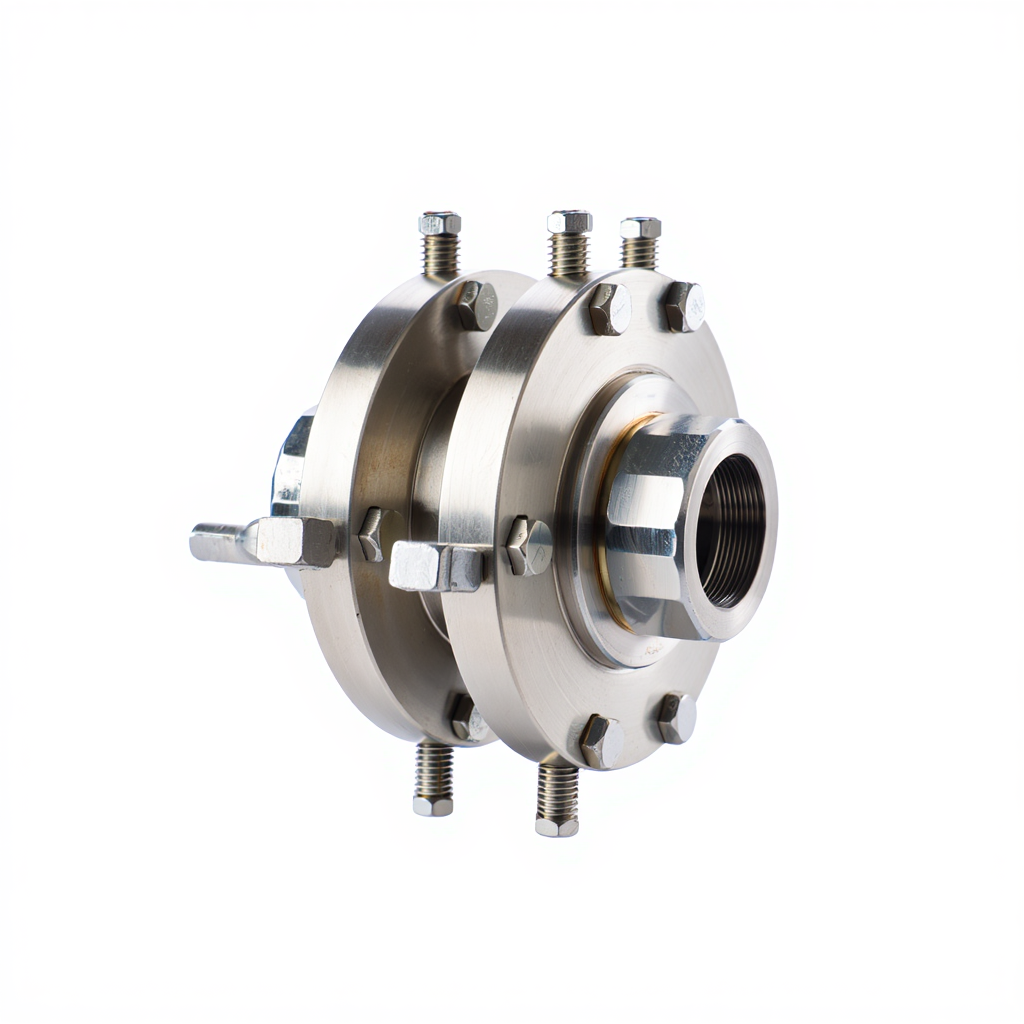
What is an orifice flange?
An orifice flange is a purpose-built flange pair that is machined specifically for flow measurement rather than simple mechanical pipe connection. Unlike a standard pipe flange, an orifice flange has pressure taps drilled through the flange body so that the pressure on the upstream side and the pressure on the downstream side of an orifice plate can both be routed to a differential pressure transmitter. The transmitter reads the difference between those two pressures and uses it to calculate the flow rate of the fluid passing through the line.
The two flanges in the pair are machined and matched together so the taps align correctly, the plate seating surface is consistent, and the sealing faces meet the requirements of the installed pressure class and face type. These details matter because small variations in seating geometry, tap alignment, or sealing surface condition can introduce measurement error that compounds over time. A well-machined orifice flange holds the plate in a consistent, repeatable position with every installation, which is the foundation of long-term measurement stability.
An orifice flange is not a standard pipe flange with taps added in the field. The pressure taps, seating geometry, and sealing faces are designed and machined together as a system to support accurate differential pressure measurement.
How an orifice flange creates a measurable differential
The orifice plate held between the two flanges has a precision bore smaller than the pipe internal diameter. When process fluid passes through that restriction, the fluid velocity increases and static pressure drops. The upstream tap captures the higher pressure before the restriction and the downstream tap captures the lower pressure after it. That pressure difference is the differential signal that drives the flow calculation. For a full breakdown of how this measurement method works across different device types, differential pressure flow measurement covers the broader DP landscape in detail.
Key components of an orifice flange assembly
An orifice flange does not operate in isolation. Understanding the full assembly helps clarify what each component contributes and where problems are most likely to appear if the installation is not well matched to the service conditions.
The orifice plate
The orifice plate is the primary flow element. It sits between the two flange faces and creates the restriction that generates the pressure differential. Bore size, plate thickness, edge sharpness, and material all affect measurement performance. Paddle-type orifice plates are the most commonly paired plate style with a flange union assembly.
The pressure taps
The pressure taps are machined bores through the flange body that connect the upstream and downstream process pressures to the impulse lines running to the differential pressure transmitter. Tap placement, diameter, and finish affect how cleanly the pressure signal is captured and transmitted to the instrument.
The sealing faces
The sealing faces are the machined surfaces on each flange that make contact with the gasket and the orifice plate. Their finish, flatness, and condition directly affect both the pressure seal and the consistency of the plate seating position from one installation to the next.
Supporting hardware
The flange union is part of a larger meter run. Meter tubes provide the straight-run geometry needed on each side of the assembly. Straightening vanes reduce upstream swirl when the available pipe layout is constrained. Bleed rings can be added where venting or draining capability is needed at the measurement point.
Orifice flange face types and pressure classes
Two face type options are standard on orifice flanges, and the right choice depends on the pressure class, temperature, and sealing requirements of the application. Face type also needs to match the mating flanges already in the piping system.
| Face Type | How It Seals | Typical Use |
|---|---|---|
| Raised face (RF) | Raised seating surface compresses a soft gasket under bolt load | General industrial service across most pressure classes, widely compatible |
| Ring-type joint (RTJ) | Machined ring groove accepts a metal ring gasket for a metal-to-metal seal | Higher pressure classes, high-temperature service, sour environments |
Pressure class selection for an orifice flange
Pressure class must be confirmed against the design pressure, temperature, and material combination for the service using ASME B16.5 or the applicable project standard. Standard pressure classes for orifice flanges run from CL150 through CL1500. RTJ faces become more common as pressure class increases, particularly at CL900 and CL1500 where the higher bolt loads and sealing demands favor a metal-to-metal seal. For RTJ-specific installations, RTJ plate holders may also be part of the assembly.
Matching face type to the existing piping system
When replacing an existing orifice flange in a line, the face type of the new assembly needs to match the mating flanges and the gasket specification already in place. Changing face type mid-installation creates a mismatch that can compromise the seal and introduce measurement error from inconsistent plate seating.
Where orifice flanges are used in industrial service
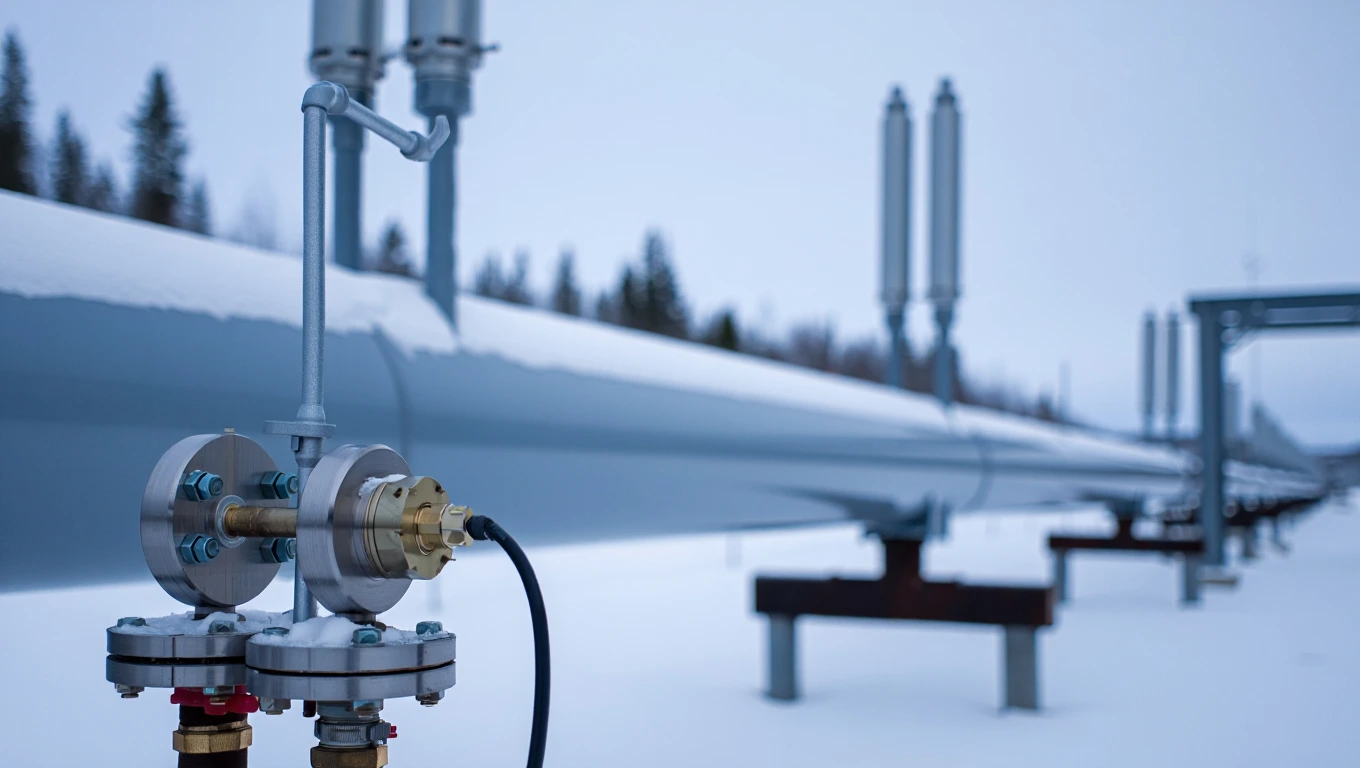
Orifice flanges are specified across a wide range of industries and service conditions because the underlying measurement principle is well understood, the hardware is relatively straightforward to maintain, and the available standards provide a clear basis for design and verification. A full breakdown of where orifice flanges see the most use is available in common applications of orifice flanges.
Oil and gas
Orifice flanges are used extensively in wellheads, gathering systems, pipeline measurement, flare and vent monitoring, and custody transfer meter runs where accurate and verifiable flow data is required.
Chemical and petrochemical
Process control loops, utility services, and safety monitoring systems in chemical plants and refineries rely on orifice flanges for reliable flow data across a wide range of fluid types and service conditions.
Power generation
Steam, condensate, and feedwater systems in power plants use orifice flanges as part of measurement and monitoring systems that support efficiency, safety, and regulatory compliance.
Water and wastewater
Municipal and industrial water treatment facilities use orifice flanges in distribution, dosing, and process monitoring applications where consistent, low-maintenance measurement is important over long service cycles.
Cold climate and remote service
The rugged, all-metal construction of a well-specified orifice flange makes it a dependable choice in remote and cold climate environments where electronic complexity or moving parts would create maintenance challenges.
General industrial facilities
Compressed air, nitrogen, process liquids, and utility lines across manufacturing plants and industrial facilities frequently use orifice flanges for flow monitoring that supports operations and regulatory reporting.
Benefits of using an orifice flange for flow measurement
The orifice flange has remained a dominant choice in industrial flow measurement for generations because its advantages are practical and well-proven across a broad range of services. A more in-depth review of these advantages is covered in benefits of using orifice flanges for flow measurement.
When permanent pressure loss deserves more attention
Orifice-based DP measurement does create a permanent pressure drop that cannot be recovered. In services where that loss represents a meaningful operating cost or where the available driving pressure is limited, comparing the orifice approach against alternatives like venturi tubes or flow nozzles is worth the time before committing to a design. A full comparison across DP primary elements is available through flow measurement systems.
How to select the right orifice flange for your application
Getting the specification right starts with the process data, not the catalog. The following inputs drive the most important configuration decisions and should be gathered before any orifice flange is ordered.
Process and line data
- Pipe size and internal diameter set the bore sizing boundary for the orifice plate
- Operating pressure and temperature determine the required pressure class and material
- Media type and composition affect material selection and corrosion considerations
- Minimum, normal, and maximum flow rate define the operating range the beta ratio needs to cover
- Allowable permanent pressure loss sets the upper bound on how restrictive the bore can be
Configuration and standards inputs
- Face type must match the mating flanges and sealing requirements already in the system
- Tap configuration should align with the calculation methodology and any referenced project standard
- Material needs to match the process chemistry, temperature, and any documentation requirements
- Applicable standard such as AGA, ISO 5167, or a project-specific specification
- Straight-run availability and any known upstream disturbances that may require flow conditioning hardware
Orifice flange tap configuration and beta ratio
Tap placement and beta ratio are the two specification decisions with the most direct effect on measurement quality. Flange taps placed one inch from the plate face are the most common configuration in North American practice. Corner taps placed immediately adjacent to the plate are more common in European applications and smaller line sizes. Pipe taps placed further from the plate are found in older installations and certain AGA gas measurement applications.
Beta ratio (d/D, where d is the bore diameter and D is the pipe internal diameter) determines how much of the available differential is generated at the expected flow rates. A ratio that is too high reduces the differential to a level that is difficult to measure accurately. A ratio that is too low creates excessive pressure drop. Getting this right requires knowing the actual operating range and the instrument differential span. Submit your process data through sizing support and Flowell will recommend a bore size aligned to your conditions and methodology.
Standards reference
The two most widely referenced standards for orifice-based DP measurement are ISO 5167, which covers differential pressure devices in closed conduits, and American Gas Association (AGA) methodologies for natural gas measurement applications. Flange dimensions and pressure-temperature ratings are governed by ASME B16.5. Including the applicable standard in your quote request helps Flowell align the configuration before manufacturing.
Orifice flanges compared to other DP primary elements
Orifice flanges are not the only way to generate a measurable differential pressure from a flowing stream. Understanding where each primary element fits helps narrow down the best choice for the service conditions at hand.
| Primary Element | Pressure Loss | Maintenance | Best Fit |
|---|---|---|---|
| Orifice flange union | Moderate, beta ratio dependent | Plate access without line removal | Broad industrial service, established standards |
| Venturi tube | Lower permanent loss | No moving parts, minimal wear | When pressure recovery is a priority |
| Flow nozzle | Moderate to lower | More durable edge than orifice plate | High-velocity or erosive service |
Teams comparing these options in the context of a full measurement system can review orifice plate flow meter systems and the different types of flow meters for a broader perspective before making a final selection.
Orifice flange FAQs
What is the difference between an orifice flange and a standard pipe flange?
A standard pipe flange is a mechanical connection component only. An orifice flange is a precision-machined matched pair with pressure taps, a controlled plate seating surface, and dimensional tolerances specifically designed to support accurate differential pressure flow measurement. The two are not interchangeable in a metering application.
What orifice plate style works with an orifice flange?
Paddle-type orifice plates are the most commonly paired plate style with an orifice flange union. The plate sits between the two flange faces and is held in position by the bolting. Paddle-type orifice plates are available from Flowell and can be sized to match the flange union configuration.
What are flange taps, corner taps, and pipe taps?
These are the three main pressure tap placements used on orifice flanges. Flange taps are located one inch from the plate face on each side and are the most common configuration in North American practice. Corner taps are placed immediately adjacent to the plate and are common in European standards and smaller line sizes. Pipe taps are placed further from the plate at fixed multiples of the pipe diameter and are found in older installations and certain AGA gas measurement applications.
Do I need RF or RTJ faces on my orifice flange?
RF (Raised Face) is the standard choice for most general industrial service across CL150 through CL600 and beyond. RTJ (Ring-Type Joint) is more common at higher pressure classes, in sour environments, and in applications where a metal-to-metal seal is specified. The face type should match the mating flanges already in the piping system. If you are unsure, include your pressure class and service details when you contact us.
What factors affect orifice flange measurement accuracy?
The most common contributors to measurement error are plate edge condition, plate seating consistency, tap alignment, upstream flow disturbances from nearby fittings, insufficient straight run, and incorrect beta ratio for the actual operating range. What factors affect flow measurement accuracy covers these in more depth.
Where can I get an orifice flange quoted?
Send your line size and schedule, pressure class, face type, tap configuration, material, process conditions, and applicable standard through contact us or start with sizing support if you already have the process data ready. You can also review full product details on the orifice flange union product page.
Ready to specify an orifice flange?
Whether you are designing a new measurement point, replacing an aging assembly, or comparing options for a difficult service, Flowell can help. Send your process details through contact us, start with sizing support, or move directly to the orifice flange union product page to request a quote. Return to the Flowell homepage to explore the full range of flow measurement products and resources.