RTJ Plate Holders
Flowell manufactures RTJ plate holders for ring joint orifice flange assemblies used in industrial differential pressure flow measurement. These holders help position the orifice plate within the ring joint flange connection so the measurement element can perform as intended in gas, liquid, and steam service. Buyers who need specific style, ring size, and material details can also review Flowell’s RTJ plate holder specifications.
RTJ holder selection should account for flange arrangement, ring size, pressure class, material, plate design, bore requirement, and operating conditions. The holder is one part of a larger measurement assembly, so fit-up quality matters alongside the plate, flange union, flow profile, and instrumentation. For complete assembly context, visit orifice plate flow meter systems, or send application details through contact Flowell.
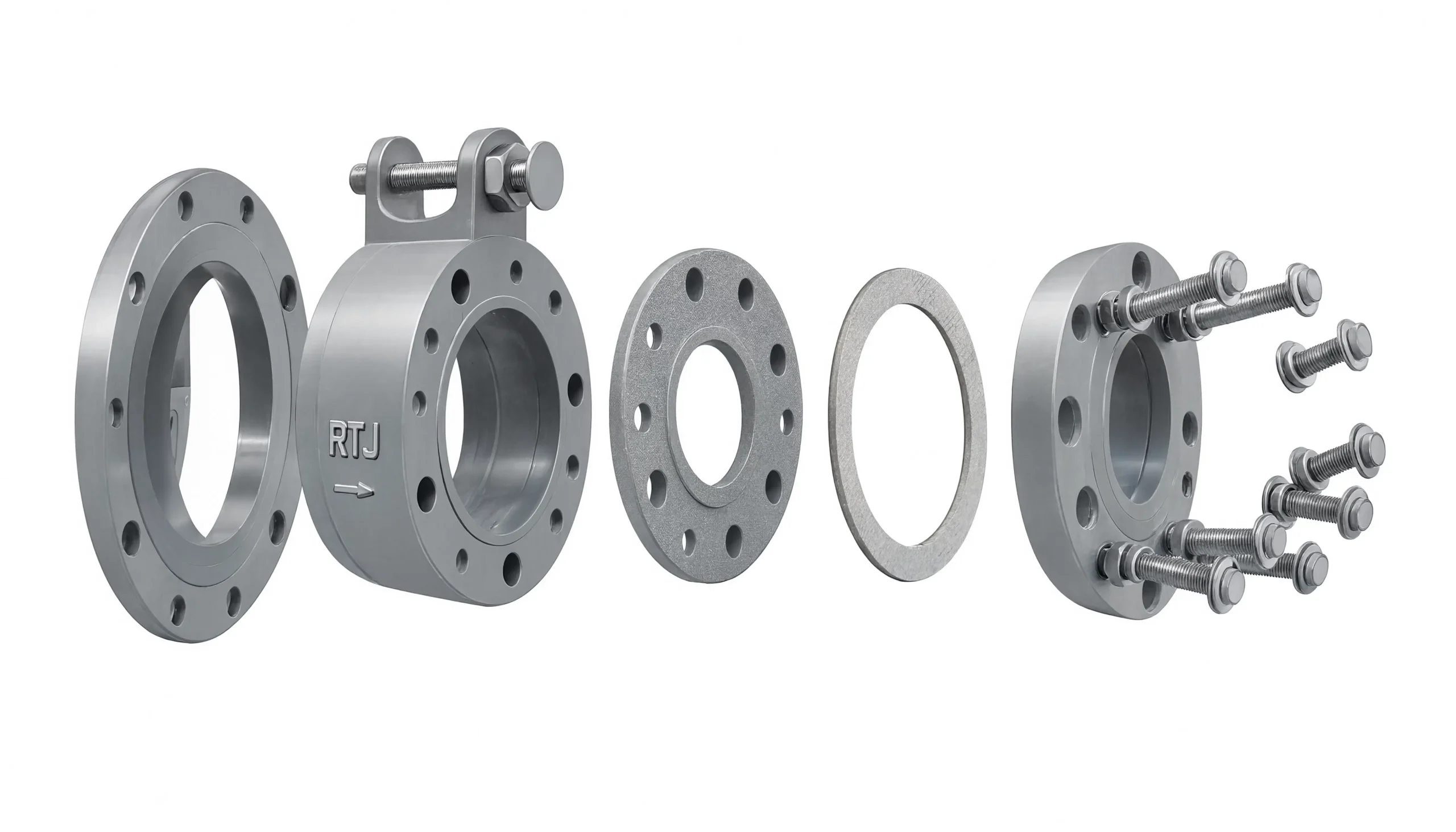
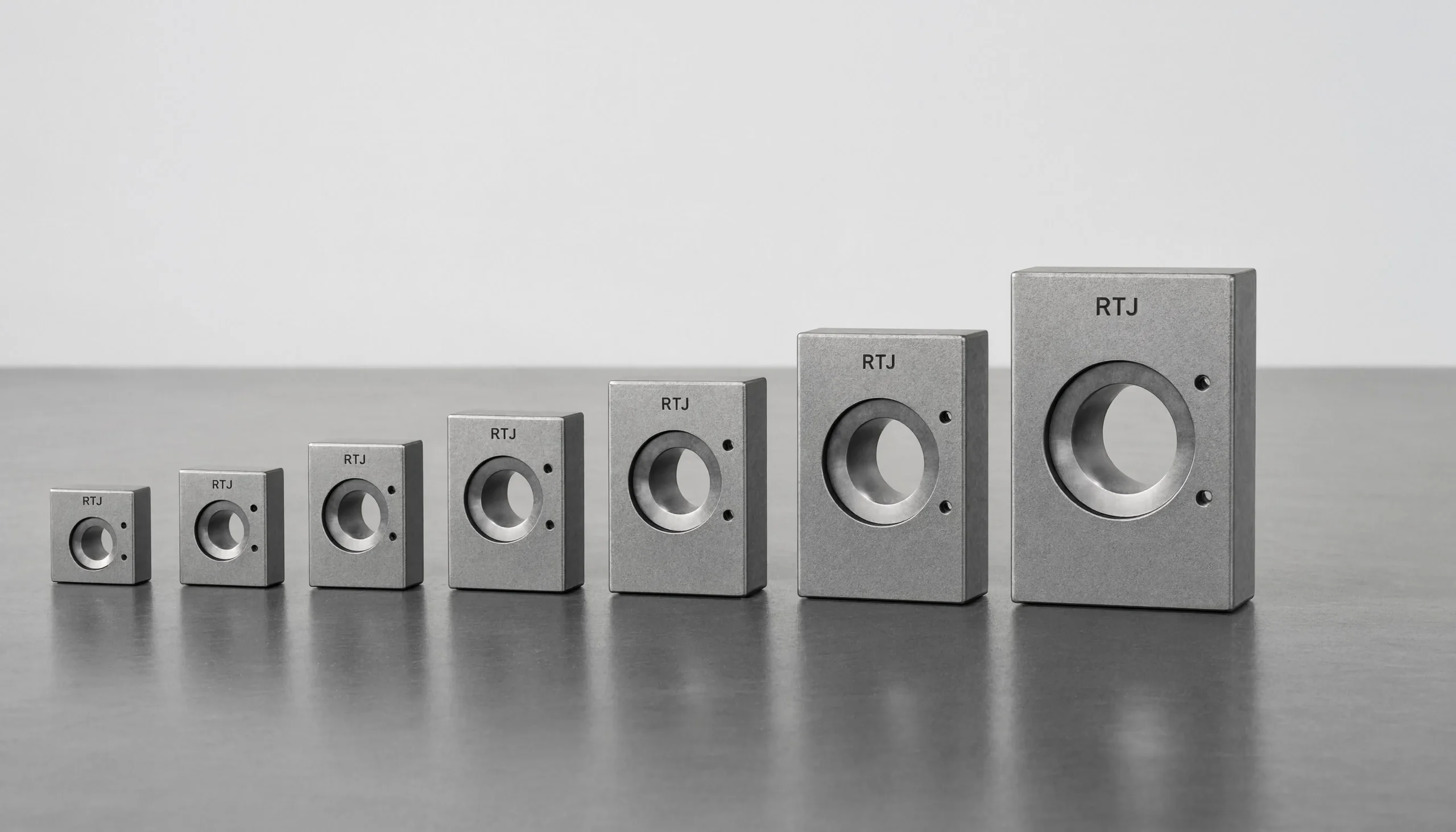
How RTJ plate holders work in flow measurement assemblies
RTJ plate holders are used in ring joint orifice flange installations to support accurate placement of the orifice plate inside the flow path. In differential pressure measurement, the plate creates a controlled restriction, and the pressure difference across that restriction is used to calculate flow. The holder helps maintain the correct physical relationship between the plate and the surrounding flange assembly.
When a holder is not matched correctly, the problem is not only mechanical. Poor fit-up, incorrect ring size, damaged seating surfaces, or mismatched bore requirements can affect measurement repeatability. That is why RTJ plate holder selection should be treated as part of the broader measurement system, not just a replacement hardware decision. Flowell supports related components including orifice flange unions, universal orifice plates, meter tubes, and straightening vanes.
The most reliable selection process starts with actual process data, existing flange details, ring size, material requirements, and the expected maintenance approach.
RTJ plate holders for ring joint orifice flanges
Ring joint orifice flange applications often appear in higher-pressure or more demanding industrial environments where flange fit, sealing surfaces, and component compatibility are critical. RTJ plate holders are built to work within that ring joint configuration, supporting the orifice plate while maintaining the mechanical fit required by the flange arrangement.
RTJ plate holders and ring size matching
Ring size matching is one of the first details to confirm. A holder selected for the wrong ring size can create fit-up problems, installation delays, or measurement concerns that could have been avoided during review.
Holder style and assembly fit
The holder style should match the desired maintenance approach. Some installations benefit from a replaceable plate arrangement, while others are better suited to an integral holder and plate design.
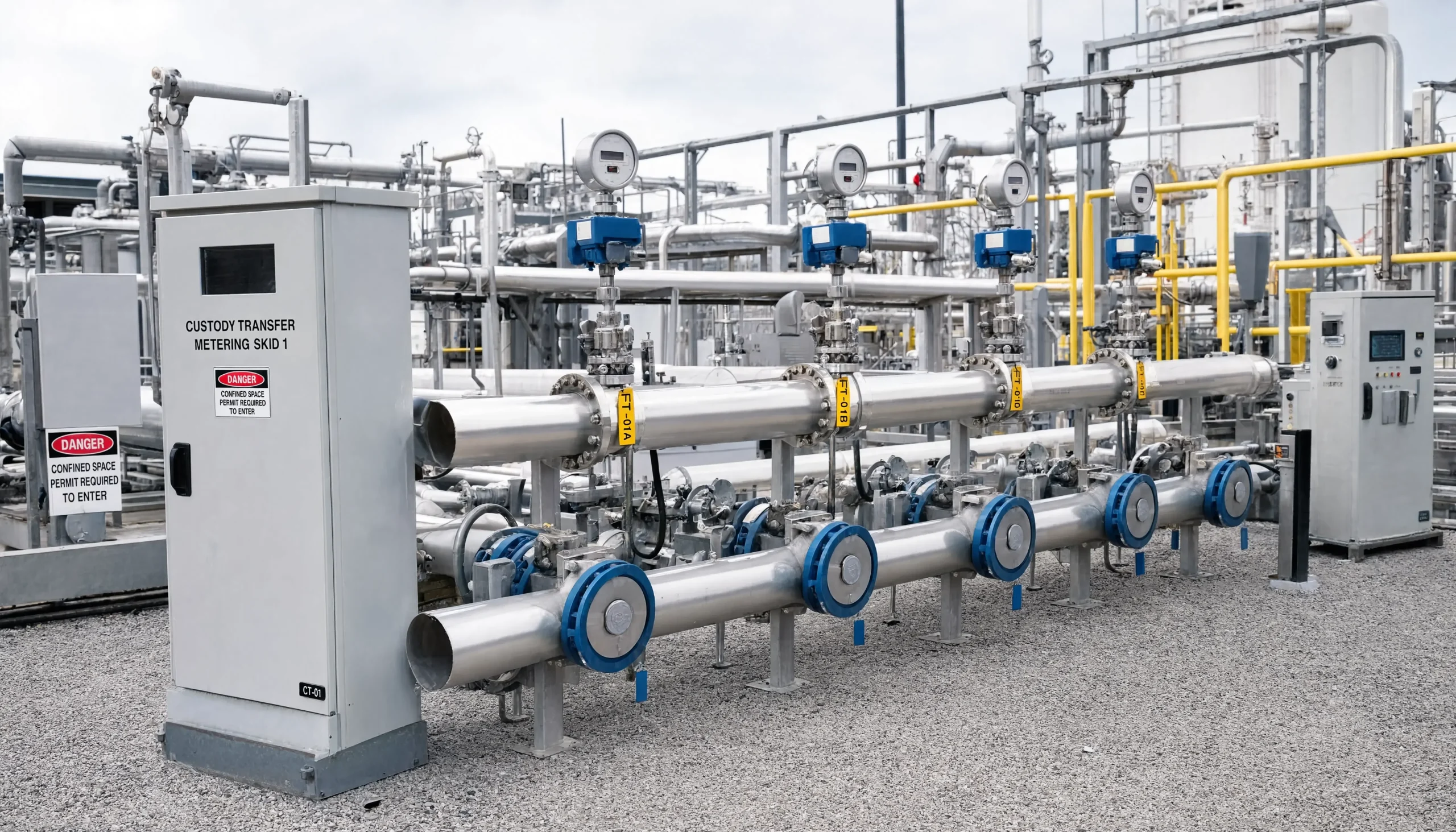
Industrial measurement environments
RTJ plate holders are often reviewed in industrial flow measurement settings where durability, repeatable fit, and compatibility with existing process hardware are central to long-term performance.
Style 560 and Style 590 RTJ plate holder options
Flowell’s RTJ holder offering includes two primary design approaches: Style 560 and Style 590. The difference matters because each design supports a different maintenance and replacement strategy. The best choice depends on whether the application needs an integral component or a holder that accepts a replaceable universal orifice plate.
| Holder Style | Design Approach | Typical Fit | Important Review Point |
|---|---|---|---|
| Style 590 | Replaceable universal orifice plate secured by hold-down screws | Useful where future plate inspection, replacement, or bore changes may be expected | Designed for ring sizes R-24 and larger, excluding R-26 |
| Style 560 | Integral plate and holder machined as one piece | Useful where a durable single-piece arrangement is preferred | Available in all ring sizes |
Choosing RTJ plate holders by maintenance needs
A replaceable plate design may be the better fit when operators expect future inspection, plate replacement, or operating range updates. An integral design may be the better fit when the configuration is already well defined and a single-piece component is preferred. Buyers who already know which style they need can move directly to RTJ plate holder specifications for more focused product details.
RTJ plate holders, bore sizing, and beta ratio
The holder does not determine flow performance by itself, but it must support the correct plate position and bore configuration. In orifice plate measurement, bore sizing and beta ratio affect the differential pressure signal, permanent pressure loss, operating range, and suitability of the measurement setup. A holder replacement can become more complicated when the operating range has changed since the original assembly was installed.
If a replacement holder is being ordered because the plate, bore, or operating range has changed, the full measurement picture should be reviewed. Flowell’s technical resource on orifice plate beta ratio explains why bore sizing matters and why plate geometry should be evaluated alongside the surrounding holder and flange setup.
Bore and sizing inputs
- Line size and schedule
- Internal pipe diameter
- Minimum, normal, and maximum flow
- Fluid type and density
- Operating pressure and temperature
- Allowable pressure drop
Holder and fit-up inputs
- Ring size
- Flange type and pressure class
- Existing holder style
- Material requirement
- Drawing or prior order details
- Replacement or new installation status
Material selection for RTJ plate holders
Material selection should be based on process exposure, pressure, temperature, media composition, corrosion risk, and plant specification. A holder used in clean, moderate service may not require the same material as one exposed to aggressive chemicals, sour service concerns, elevated temperatures, or demanding outdoor environments. Selecting the right material helps protect fit, seating quality, and long-term service life.
| Material | Common Use Case | Selection Notes |
|---|---|---|
| Cadmium-Plated Carbon Steel | Style 590 applications where plated carbon steel aligns with the project requirement | Should be reviewed against plant standards, environmental restrictions, and process exposure |
| 304 Stainless Steel | Many general industrial applications requiring stainless construction | Often reviewed where corrosion resistance and durability are needed |
| 316 Stainless Steel | More demanding corrosion environments or harsher process exposure | Often preferred where stronger corrosion resistance is a priority |
| Special Material Review | Applications with unique temperature, corrosion, or project requirements | Flowell can review drawings, material specs, and service conditions through contact Flowell |
For unusual dimensions, replacement challenges, or nonstandard requirements, Flowell can also support related work through custom machine work.
Accuracy factors that affect RTJ plate holder performance
RTJ holder performance is tied to the quality of the complete installation. Even when the holder is correctly manufactured, field conditions can affect measurement dependability. Poor alignment, damaged seating surfaces, plate wear, upstream disturbances, vibration, corrosion, or mismatched bore sizing can all contribute to unstable readings.
For broader technical context, Flowell’s resource on flow measurement uncertainty explains how installation variables, process data, and component condition can influence accuracy. That topic is especially relevant when a holder replacement is being considered because readings are drifting or the current assembly no longer matches the actual service.
Inspection and replacement considerations
RTJ plate holder inspection should focus on the surfaces and features that affect fit, plate location, and sealing quality. A holder can look acceptable at a glance but still have wear, corrosion, or damage that affects how the orifice plate sits in the assembly. Style 590 inspections should include the replaceable plate and hold-down hardware. Style 560 inspections should evaluate the integral plate and holder as one machined component.
Common inspection points
- Ring seating surfaces
- Holder body condition
- Plate edge condition
- Hold-down screw condition on Style 590
- Visible corrosion, galling, or wear
- Bore condition and edge integrity
- Signs of mismatch with flange hardware
When replacement should be reviewed
Replacement should be reviewed when wear, damage, corrosion, or bore uncertainty may affect fit or measurement behavior. Edge condition is especially important in differential pressure measurement. Flowell’s resource on orifice plate edge wear explains why rounding, nicks, erosion, and surface damage should not be ignored.
Where RTJ plate holders are commonly used
RTJ plate holders are commonly reviewed in process environments where ring joint orifice flange assemblies are part of the flow measurement setup. These applications often involve industrial lines where fit-up, durability, service compatibility, and repeatable measurement are important. The holder may be part of a new system, a replacement assembly, or a maintenance-driven update to existing measurement hardware.
Oil and gas operations
RTJ plate holders can be used in flow measurement assemblies tied to production, processing, pipeline, and facility measurement work where durable flange connections are required.
Petrochemical and refining service
High-pressure, high-temperature, or corrosion-aware environments often require careful review of material selection, flange compatibility, and holder design.
Power, utility, and industrial plants
Steam, water, gas, and process service can all require dependable measurement hardware when differential pressure methods are used for monitoring and control.
For a broader look at Flowell’s product range, browse flow measurement products. Buyers comparing device options can also review flow measurement systems or differential pressure flow measurement.
RTJ plate holders compared with related components
RTJ plate holders work with the surrounding measurement assembly, but they are not the same thing as the orifice plate, flange union, or complete meter run. Understanding those differences helps buyers send better quote details and avoid ordering the wrong component.
| Component | Role in the Assembly | Related Flowell Link |
|---|---|---|
| RTJ Plate Holder | Supports and positions the orifice plate in a ring joint orifice flange arrangement | RTJ plate holder specifications |
| Universal Orifice Plate | Creates the restriction used to generate differential pressure for flow calculation | universal orifice plates |
| Orifice Flange Union | Provides the flange assembly and pressure tap arrangement used with orifice measurement | orifice flange unions |
| Meter Tube | Supports a controlled pipe section for more stable measurement conditions | meter tubes |
| Straightening Vane | Helps condition disturbed flow before measurement | straightening vanes |
What to send when requesting RTJ plate holders
Accurate quoting depends on accurate information. A request that includes only a product name may not be enough because RTJ holders are tied to ring size, flange arrangement, material, and measurement requirements. Sending better information at the beginning can reduce delays and make the review process more efficient.
Required application details
- Style 560 or Style 590 preference, if known
- Ring size
- Line size and schedule
- Flange type and pressure class
- Material requirement
- Bore size or sizing data
- Media, pressure, temperature, and flow range
Helpful replacement details
- Existing holder dimensions
- Photos of the current assembly
- Drawings or prior order records
- Reason for replacement
- Known wear, corrosion, or accuracy concerns
- Any plant or project specification requirements
If the bore still needs review, send operating details through sizing support. If you already have the details ready, use Flowell’s contact page to request help from the team.
External technical reference for differential pressure flow measurement
Engineering teams often reference ISO 5167 for general background on differential pressure flow measurement practices. That reference can help frame the measurement method, but the correct holder still depends on the actual flange arrangement, ring size, material, bore requirement, and service conditions involved.
RTJ Plate Holders FAQs
What are RTJ plate holders used for?
RTJ plate holders are used with ring joint orifice flanges to support and position an orifice plate in differential pressure flow measurement service.
How do RTJ plate holders affect flow measurement?
RTJ plate holders affect the mechanical fit-up of the orifice plate within the flange assembly. Correct holder selection helps maintain plate position, seating quality, and compatibility with the ring joint flange arrangement.
What is the difference between Style 560 and Style 590 RTJ plate holders?
Style 590 uses hold-down screws for a replaceable universal orifice plate. Style 560 is an integral design where the plate and holder are machined as one piece.
What information is needed to order RTJ plate holders?
Useful details include holder style, ring size, flange information, material, line size, bore requirement, media, pressure, temperature, flow range, and any existing drawings or replacement part information.
Can RTJ plate holders be used in high-pressure applications?
RTJ plate holders are commonly associated with ring joint flange arrangements used in demanding industrial service, but the correct selection depends on pressure class, material, flange details, and operating conditions.
Where can I get RTJ plate holder specifications?
Flowell provides product-focused information on the RTJ plate holder specifications page, including Style 560 and Style 590 details.
Talk with Flowell about RTJ plate holders
If you need RTJ plate holders for a new assembly, replacement job, or measurement review, Flowell can help evaluate holder style, ring size, material, bore requirement, and related flow measurement hardware. Send details through contact Flowell, start with sizing support, or return to the Flowell homepage to review additional products.