Flow Meter Accuracy & Calibration
Flowell helps improve flow meter accuracy and calibration by focusing on the real factors that affect measurement quality in industrial service, including stable flow profile, correct sizing, dependable installation geometry, proper maintenance practices, and practical component selection. Good measurement performance is rarely created by the transmitter or primary element alone. It comes from the full operating environment around the measurement point and how well that environment stays controlled over time.
In many systems, the fastest way to improve results is not replacing the entire meter package. It is identifying what is causing drift, unstable readings, or repeatability loss and then correcting the installation or support hardware around it. If you already know your service conditions, use sizing support or contact us. For related technical paths, you can also review differential pressure flow measurement, orifice plate flow meter systems, venturi flow meter systems, and the broader category of flow measurement systems.
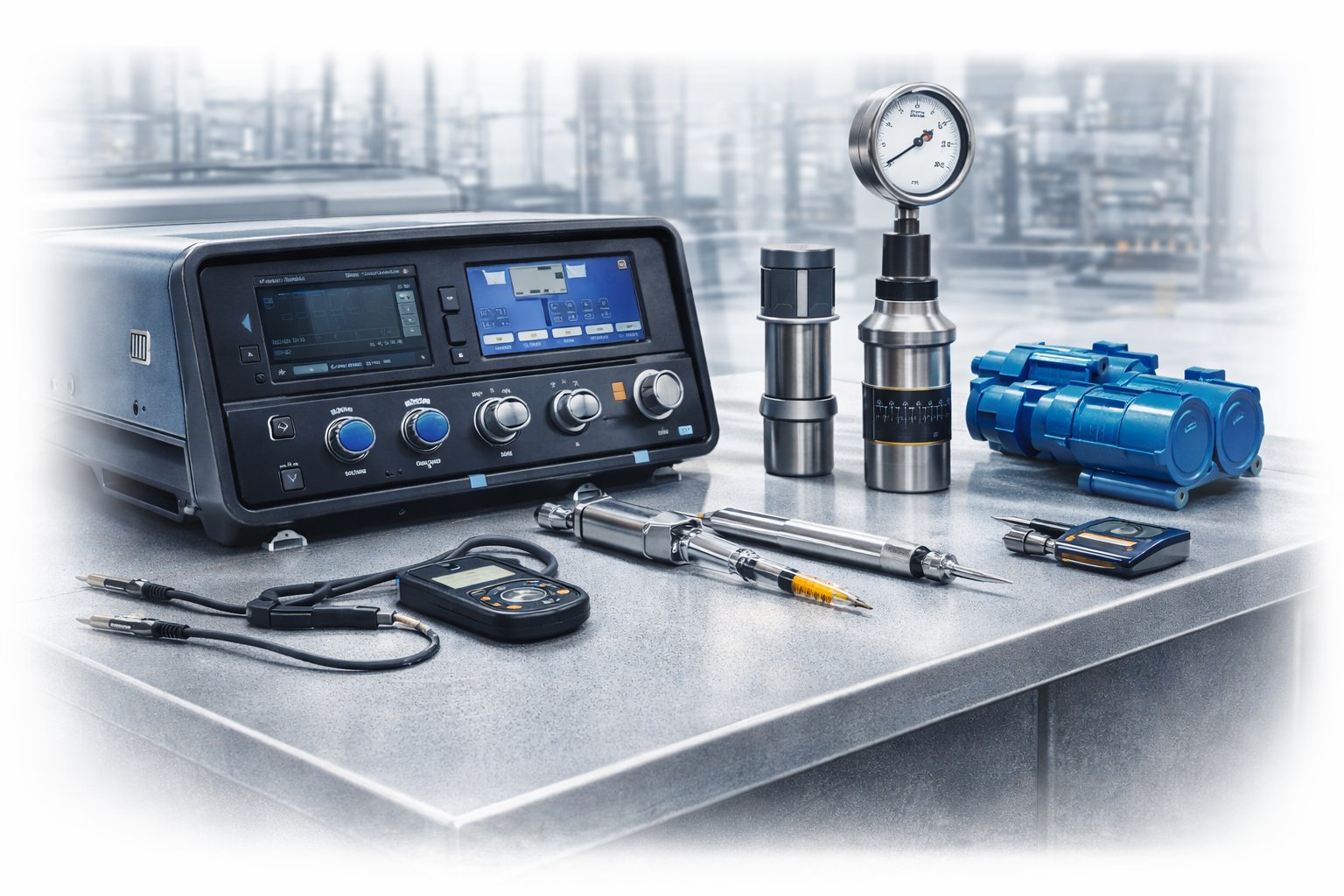
What flow meter accuracy and calibration really mean in industrial service
Accuracy is often discussed as a single percentage, but field performance is rarely that simple. A measurement can be technically correct in the lab and still perform poorly in a plant if the installation sees unstable flow profile, changing density, debris, poor straight run, or conditions outside the intended operating range. Calibration works the same way. A calibrated instrument can still produce weak real-world results if the process environment around it is unstable.
That is why a more useful way to think about measurement quality is to separate the problem into two questions. First, is the chosen measurement method right for the process? Second, does the installation allow that method to perform consistently? When both answers are strong, readings tend to stay dependable. When either answer is weak, the system may show drift, noise, unexplained variation, or mismatch between expected and actual performance.
This matters especially in differential pressure systems, where upstream conditions, tap integrity, meter run design, and support hardware all affect the finished result. If a system is struggling, it is often worth reviewing what factors affect flow measurement accuracy and how to install a flow meter correctly before assuming the meter body is the only problem.
Better accuracy usually comes from stabilizing the installation and matching the measurement method to the actual service, not from chasing one setting change after another.
Top causes of poor flow meter accuracy and calibration performance
Installation-related causes
- Insufficient straight run before or after the measurement point
- Swirl or turbulence from elbows, valves, reducers, and pumps
- Orientation issues or mechanical fit-up problems
- Impulse line or tapping geometry problems in DP installations
- Improper support hardware around the primary element
Process and operating causes
- Operating range that does not match the original selection basis
- Pressure and temperature variation that changes fluid properties
- Fouling, buildup, or debris that alters effective geometry
- Wear over time that changes the performance of the measurement element
- Measurement method that does not fit the actual service demands
Most persistent problems are not random. They usually trace back to one or more of these conditions. That is why troubleshooting needs to start with the installation and process environment, not just the instrument display.
How flow meter accuracy and calibration improve with the right measurement method
Not every accuracy problem is a calibration problem. Sometimes the system is being asked to perform outside its sweet spot. In those situations, the better fix may be a different primary element, a more stable meter run, or supporting hardware that protects the installation against profile disturbance or contamination.
Flow meter accuracy and calibration comparison table
| Area to Review | Why It Affects Accuracy | Related Flowell Link |
|---|---|---|
| Differential Pressure Method | DP systems depend heavily on stable installation geometry and controlled flow profile | Differential Pressure Flow Measurement |
| Orifice Plate Configuration | Plate style, holder choice, and meter run quality affect repeatability | Orifice Plate Flow Meter Systems |
| Venturi Selection | Pressure loss and long-term stability may favor a venturi in some services | Venturi Flow Meter Systems |
| Installation Support Hardware | Flow conditioning and protection can stabilize real-world measurement behavior | Flow Measurement Products |
If the current measurement approach is directionally correct but field performance remains inconsistent, the next step is often improving the conditions around the system rather than abandoning the method entirely.
How to improve accuracy in differential pressure systems
Differential pressure systems can perform very well when the installation is stable, the operating range is realistic, and the primary element is supported by the right hardware. Many field issues come from not giving the DP element a clean, repeatable flow profile. In practice, that means conditioning the line, protecting the geometry from contamination, and making sure the selected element fits the service.
For example, unstable flow profile may be improved with straightening vanes. A layout with straight-run limitations may benefit from meter tubes. Dirty service may call for strainers. Steam-related instrument stability may improve with condensate chambers. Safer service access may involve bleed rings.
When the main issue is selecting the primary element itself, the strongest next reads are orifice plates, paddle-type orifice plates, venturis, and flow nozzles.
Practical improvement checklist
- Confirm minimum, normal, and maximum flow range
- Check upstream and downstream piping conditions
- Inspect for debris, buildup, and wear
- Verify impulse line and tap condition in DP systems
- Review temperature and pressure variation across the process
- Stabilize flow profile where layout constraints exist
- Reassess the primary element if service conditions have changed
Calibration intervals and service planning
Calibration should reflect the risk of the measurement and the severity of the service. A line used for routine internal monitoring may justify a different maintenance rhythm than a line where measurement confidence has stronger operational or reporting value. The key is consistency. A repeatable service plan usually catches drift earlier than a reactive approach that waits for obvious failure.
That planning should account for what the process actually does to the system. Variable temperature, contamination, mechanical vibration, changing fluid properties, and limited maintenance access all increase the chance that performance will move over time. That is why service planning belongs in the same conversation as calibration. One without the other often leaves the system exposed to repeatability loss.
Flow meter accuracy and calibration service priorities
For additional service guidance, it helps to review how often industrial flow meters should be serviced, how a differential pressure transmitter is calibrated, and flow meter calibration cost.
Helpful resources for troubleshooting and measurement improvement
Selection and comparison topics
If the issue may involve choosing the wrong method for the service, start with choosing the right flow meter, understanding the different types of flow meters, and ultrasonic vs differential pressure flow meters. Those comparisons help separate method-selection issues from installation issues.
Performance and troubleshooting topics
If the measurement method is already chosen and the issue is more about field behavior, review what factors affect flow measurement accuracy, how to install a flow meter correctly, and flow meter turndown ratio explained. Those topics often point directly to the source of repeatability loss.
Supporting hardware that can improve measurement stability
Many accuracy gains come from improving the hardware around the meter rather than changing the measurement method itself. In real industrial service, stable results depend on the line conditions the measurement sees every day, not just the settings applied during startup.
Straightening Vanes
Helps reduce swirl and turbulence that can destabilize readings and undermine repeatability in disturbed piping layouts.
Meter Tubes
Supports a more controlled measurement section when straight run is limited or the profile needs improvement.
Strainers
Helps protect the system from debris and fouling that can slowly shift performance over time.
Bleed Rings
Supports safer maintenance and service handling by allowing venting or draining between flanges when needed.
Orifice Plates
A widely used DP primary element where proper sizing and installation quality have a strong effect on final accuracy.
Venturis
Often selected when long-term stability and lower permanent pressure loss matter to the application.
If the installation also needs replacement geometry, special materials, or modified dimensions, custom machine work may help align the finished hardware with the actual service conditions.
External technical reference
Calibration, traceability, and measurement quality are often discussed using recognized technical frameworks and standards. For an external reference on measurement traceability and standards, review the NIST Weights and Measures overview.
Flow Meter Accuracy and Calibration FAQs
What affects flow meter accuracy the most?
The biggest factors are unstable flow profile, operating range mismatch, pressure and temperature changes, installation geometry issues, fouling, and selecting a method that does not fit the actual service conditions.
How often should flow meters be calibrated or serviced?
It depends on service conditions, measurement criticality, and drift risk. A practical schedule should reflect process severity and should be reviewed more often when conditions are harsh, variable, or contamination-prone.
Can installation issues cause accuracy problems even if the meter is correct?
Yes. Limited straight run, upstream disturbances, debris, poor fit-up, orientation problems, and impulse line issues in DP systems can all reduce repeatability even when the instrument itself is functioning normally.
Can Flowell help improve accuracy through sizing and component selection?
Yes. Use sizing support and include your line size, media, pressure, temperature, flow range, and layout constraints. Flowell can help identify practical component choices that support more stable measurement behavior.
When should hardware around the measurement be upgraded?
If accuracy problems persist after review of calibration and operating settings, it is often worth looking at the conditions around the meter. Flow conditioning, debris protection, improved meter run quality, or a different primary element can make a meaningful difference.
Talk with Flowell about improving measurement performance
If you are troubleshooting repeatability, reviewing calibration strategy, or trying to stabilize an installation, send the application details through our contact page or start with sizing support. You can also return to the homepage for more technical resources and product categories.