Flow Measurement Systems
Flowell manufactures components used in flow measurement systems for industrial gas, liquid, and steam service where repeatability, durability, and dependable fit-up matter. Whether you are evaluating a new installation, replacing legacy metering hardware, or tightening system performance around an existing meter run, the right combination of primary element, installation hardware, and supporting components has a direct effect on long-term measurement stability.
From differential pressure flow measurement to complete orifice plate flow meter systems, venturi flow meter systems, and practical support for flow meter accuracy and calibration, Flowell helps customers select components that align with line size, media, operating conditions, pressure class, and installation constraints. If you already know the basics of your application, you can move straight to sizing support or contact us for quoting.
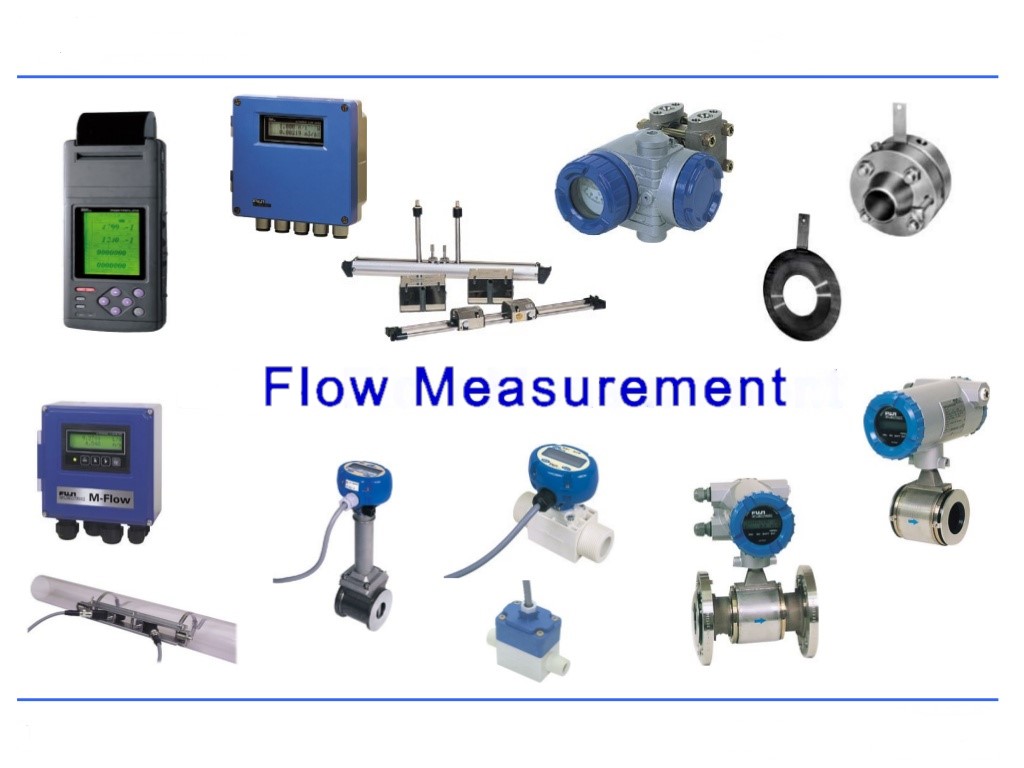
Choosing the Right Flow Measurement Systems for Industrial Service
Industrial measurement performance is rarely controlled by a single component. A strong result usually comes from matching the measurement method to the process and then pairing that method with supporting hardware that protects repeatability over time. In many plants, the real challenge is not simply measuring flow once. It is maintaining stable, trustworthy readings as process conditions shift, straight-run availability changes, or instrumentation ages under real operating stress.
That is why a good selection process should start with the service itself. Media properties, operating pressure, temperature range, expected flow profile, allowable pressure loss, maintenance expectations, and required measurement confidence all affect which configuration is practical. For example, a system chosen primarily for lower initial cost may create long-term performance problems if pressure loss is critical, while an oversized or poorly stabilized installation can leave even a quality primary element underperforming in the field.
Customers comparing options often start with a broad view of flow measurement products, then move into more specific categories once the preferred approach becomes clear. If your project includes precision component modifications, legacy replacement hardware, or a print-driven requirement, our custom machine work capabilities can also support the final build.
Fastest path to a good recommendation: share line size, media, operating pressure and temperature, normal and maximum flow range, pressure class, and any layout limits that may affect upstream or downstream conditions.
Flow Measurement System Categories
Differential Pressure Flow Measurement
Differential pressure systems remain one of the most widely used approaches in industrial service because they are standards-based, broadly understood, and flexible across many process conditions. A primary element creates a predictable pressure drop, and instrumentation converts that differential into a usable flow value. This category is often selected when customers want a proven method with practical configuration options.
Supporting hardware matters here. Stable tapping geometry, dependable sealing surfaces, controlled meter runs, and accessory selection all affect repeatability. This section is the best starting point if you are comparing the major DP approaches and want to understand how the full system works together.
Orifice Plate Flow Meter Systems
Orifice plate systems are a common choice when standards-based differential pressure measurement is the goal and a practical, widely accepted configuration is preferred. These systems can be built around different plate styles, installation assemblies, and meter run support components depending on service conditions, accessibility, and maintenance workflow.
They are often used where cost-effectiveness, familiarity, and flexibility are priorities, especially when the installation can be engineered to support stable upstream conditions and long-term repeatability.
Venturi Flow Meter Systems
Venturi systems are frequently considered when lower permanent pressure loss and dependable long-term performance are important. Their geometry supports pressure recovery more effectively than many abrupt restriction methods, making them attractive in applications where energy efficiency and stable measurement behavior need to be balanced.
They are commonly evaluated against other DP options when pressure drop budgets are tighter or when the process requires a more forgiving primary element for ongoing service.
Flow Meter Accuracy & Calibration
Measurement performance does not end with choosing a primary element. Installation quality, conditioning, debris protection, service intervals, and calibration practices all affect whether the final readings stay reliable. This area is especially important for teams trying to reduce drift, diagnose instability, or tighten measurement confidence around existing hardware.
If your current issue is not product selection but inconsistent results, this is the best place to start before replacing components that may not be the true root cause.
What Goes Into a Complete Flow Measurement System
A complete installation typically includes much more than the primary measuring element. In real-world piping, the surrounding hardware often determines how well the system performs over time. The most successful builds consider the entire path from primary element selection to installation hardware, flow conditioning, contamination control, and maintenance access.
Primary Measurement Element
This is the core device that creates the measurable condition or restriction. Depending on the application, this may involve orifice plates, paddle-type orifice plates, venturis, or flow nozzles.
Installation and Retention Hardware
Proper mounting and retention affect alignment, sealing, and repeatable tapping geometry. Depending on service and pressure class, this may involve an orifice flange union or RTJ plate holders.
Meter Run Stability
Flow profile matters. When upstream disturbances, short straight run, or layout constraints are present, a meter tube and straightening vanes can help improve consistency.
Protection Against Debris
Contaminants, fouling, and particulate matter can change system behavior over time. In many applications, strainers are a practical way to protect both measurement and downstream equipment.
Steam and Instrument Support
When measurement is tied to steam service or impulse line stability, condensate chambers help maintain more consistent instrument conditions.
Venting and Drain Support
For safer commissioning and maintenance between flanges, bleed rings can provide a practical way to vent or drain the line section before service work begins.
Flow Measurement Systems Comparison Chart
Not every system fits every service condition. The table below is designed to make the major differences easier to review when you are narrowing down the best direction for your installation.
| System Type | Best Fit | Common Strengths | Typical Considerations |
|---|---|---|---|
| Differential Pressure Flow Measurement | Broad industrial use across gas, liquid, and steam | Widely used, standards-based, flexible component options | Performance depends heavily on installation conditions and proper system support |
| Orifice Plate Flow Meter Systems | General-purpose DP measurement where cost-effectiveness and practicality matter | Common, well understood, practical maintenance paths, broad configuration range | Pressure loss and flow profile stability should be evaluated carefully |
| Venturi Flow Meter Systems | Applications where lower permanent pressure loss matters | Pressure recovery, stable long-term performance, strong fit in demanding service | Selection should still account for layout, size, and operating range |
| Accuracy & Calibration Support | Existing systems with instability, drift, or uncertainty concerns | Improves confidence, identifies root causes, helps protect repeatability | Often reveals that installation and supporting hardware are part of the real issue |
Flow Measurement Systems selection trends in industrial service
The chart below is not a hard engineering rating. It is a practical planning view that highlights why certain systems are often preferred for certain priorities during early-stage review.
How Flow Measurement Systems perform better over time
Long-term performance is usually shaped by the supporting environment around the meter. Even a well-selected system can lose repeatability if swirl, debris, poor fit-up, or unstable operating conditions are ignored. That is why better results often come from refining the full installation instead of chasing one component at a time.
For example, customers evaluating how to choose the right industrial flow meter often find that the better question is how to choose the right complete configuration. In the same way, teams reviewing what factors affect flow measurement accuracy frequently discover that the root cause sits in the piping layout or contamination profile rather than the meter body alone.
That is why Flowell’s stronger fit is in component selection and practical system support. Whether the need is a new installation, replacement hardware, or modifications to match a site requirement, the goal is to build a package that stays stable under real process conditions.
Flow measurement systems maintenance priorities
- Confirm the operating range reflects minimum, normal, and maximum flow, not just one target point.
- Review upstream disturbances, straight-run availability, and any elbows, valves, or reducers that may affect profile stability.
- Inspect for fouling, buildup, or debris that could shift the effective geometry of the system.
- Verify that support hardware and sealing surfaces remain aligned and suitable for the pressure class and service conditions.
- Plan service intervals around risk, not assumptions, especially when readings affect operations, reporting, or process control.
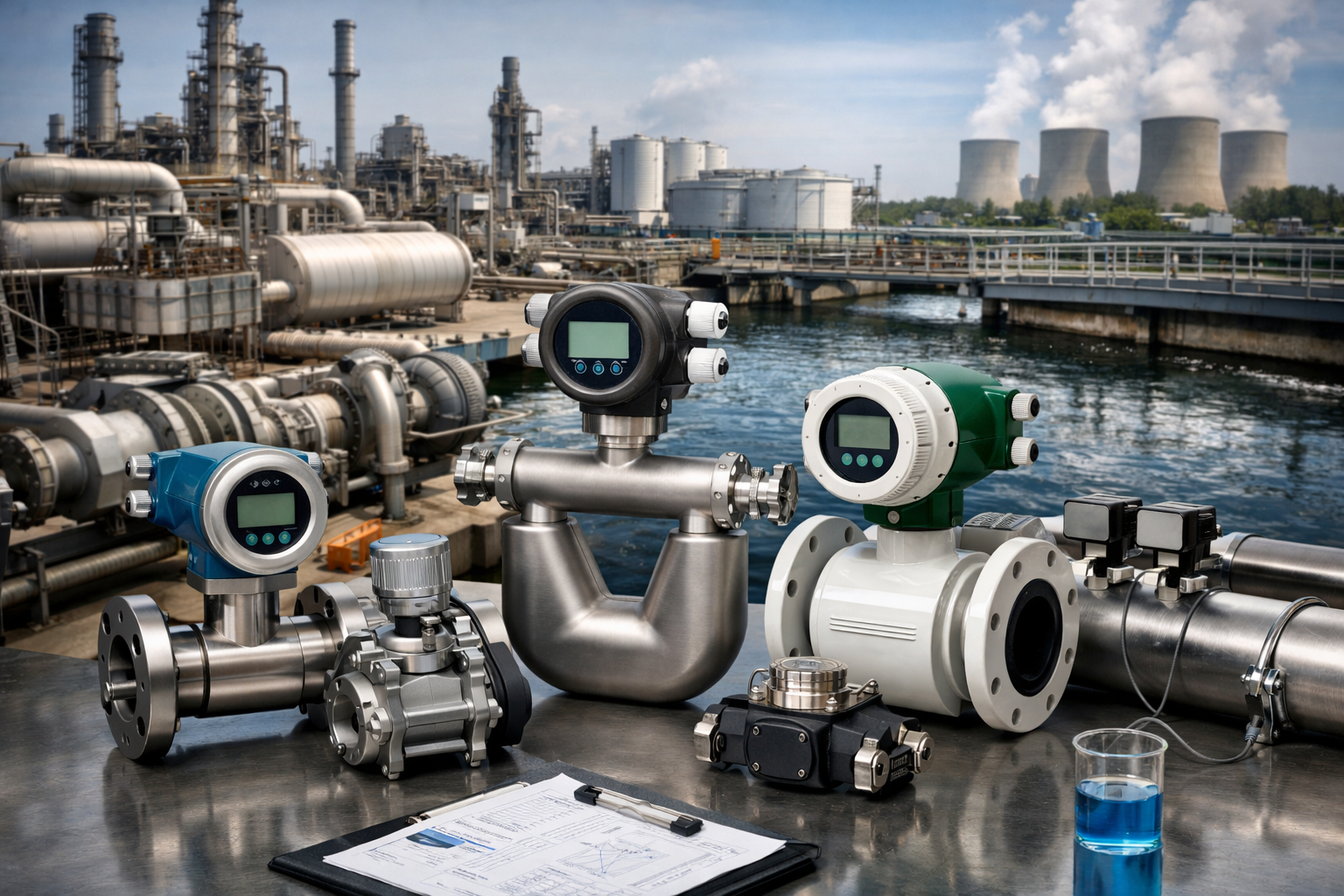
Component pathways within flow measurement systems
Some customers come in knowing the measurement approach they want. Others know only the component they need to replace. The pathways below make it easier to move from system-level planning into the hardware categories that support the final build.
For differential pressure measurement builds
If you are building around a differential pressure method, start with differential pressure flow measurement and compare it with the more specific routes for orifice plate flow meter systems and venturi flow meter systems. From there, move into the exact hardware needed, such as orifice flange unions, orifice plates, venturis, or flow nozzles.
For installation support and reliability upgrades
If the measurement method is already chosen but the installation needs refinement, focus on the supporting hardware that improves stability and serviceability. That may include meter tubes, straightening vanes, strainers, bleed rings, and condensate chambers. These choices often make the difference between an installation that works on startup and one that stays dependable after months of real service.
Custom machining support for specialized flow measurement systems
Not every installation fits an off-the-shelf path. Legacy meter runs, print-driven replacement parts, modified dimensions, material upgrades, or site-specific hardware requirements may call for additional manufacturing support. When that happens, Flowell’s custom machine work capability can help close the gap between a standard component and the final configuration required in the field.
This is especially useful when a project needs controlled dimensions, specific bolt patterns, special materials, or replacement hardware that must match an existing installation. In those situations, the value is not just machining a part. It is machining a part that integrates cleanly into the system it was designed to support.
When custom machining is often the right move
- Legacy systems where original drawings are limited or replacement components are no longer easy to source
- Projects that need special materials or pressure-class-driven dimensional changes
- Installations where fit-up, sealing surfaces, or alignment tolerances are critical
- Prototype or one-off builds tied to plant modifications, new process conditions, or test programs
If your application includes special requirements, include them when you contact Flowell so the quote can reflect the actual operating and installation conditions.
Helpful technical reading for system selection and performance
Customers working through a flow measurement project often need more than one answer. They may need to compare meter styles, understand how pressure and temperature affect behavior, review maintenance intervals, or troubleshoot field instability. The resources below are strong next reads depending on where you are in the selection process.
Selection and comparison
Understanding the different types of flow meters explains major categories at a broader level, while choosing the right flow meter is useful when balancing process needs against practical limitations. For a focused side-by-side review, ultrasonic vs differential pressure flow meters can help frame the tradeoffs.
Accuracy, installation, and upkeep
Teams trying to tighten measurement confidence should also review what factors affect flow measurement accuracy, how to install a flow meter correctly, how often industrial flow meters should be serviced, and how temperature impacts flow measurement accuracy. These topics are often directly tied to what customers see in the field after startup.
For a recognized external technical reference on differential pressure flow measurement devices, review ISO 5167.
What to send for faster sizing and quoting
A quicker recommendation usually starts with clearer application data. The more accurately the operating conditions are defined, the easier it becomes to narrow the measurement method and supporting hardware without adding unnecessary back-and-forth.
System details that help most
- Line size, schedule, or internal diameter
- Media type and any composition details that materially affect the service
- Operating pressure and temperature range
- Minimum, normal, and maximum flow range
- Allowable pressure loss or performance expectations
- Available straight run and known upstream disturbances
- Material requirements and pressure class
Additional project notes worth including
- Whether the hardware is for a new installation, replacement, upgrade, or troubleshooting project
- Whether the system needs special materials, modified dimensions, or print-driven custom work
- Whether the service is especially sensitive to pressure loss, debris, or ongoing maintenance constraints
- Whether the current issue is poor repeatability, uncertain sizing, or the need for compatible supporting components
Flow Measurement Systems FAQs
What are flow measurement systems used for?
Flow measurement systems are used to determine the rate of gas, liquid, or steam moving through a process line. In industrial service, they support operations, process control, reporting, troubleshooting, and performance improvement. The right combination of measurement method and supporting hardware helps keep readings dependable under real plant conditions.
How do I choose between differential pressure, orifice plate, and venturi systems?
The decision usually comes down to service conditions, allowable pressure loss, layout limits, and how stable the installation can be made over time. A strong place to compare options is through differential pressure flow measurement, orifice plate flow meter systems, and venturi flow meter systems.
What components help improve repeatability in flow measurement systems?
Repeatability is often improved by stabilizing the conditions around the measurement. Depending on the installation, that may involve meter tubes, straightening vanes, strainers, bleed rings, or condensate chambers.
Can Flowell help if the current hardware needs modification or replacement?
Yes. In addition to standard product categories, Flowell offers custom machine work for projects that require modified dimensions, replacement parts, special materials, or print-driven machining support tied to the final installation.
Where should I start if I already know the service conditions?
If you already know line size, media, pressure, temperature, and expected flow range, the fastest next step is sizing support. If you are ready to discuss the build directly, use the contact page.
Talk with Flowell about your next system build
If you are comparing options, replacing hardware, or trying to tighten measurement stability, send your application details through our contact page or start with sizing support. You can also return to the homepage to explore additional product categories and technical resources.