Orifice Plates
Flowell manufactures orifice plates for dependable differential pressure flow measurement in gas, liquid, and steam service. These precision-machined primary elements are widely used when industrial teams need repeatable performance, practical maintenance, and a proven flow measurement approach that fits a wide range of operating conditions. Buyers comparing available configurations can review our universal orifice plates, explore complete orifice plate flow meter systems, or reach out through contact us for application help.
Selection should account for media, pressure, temperature, expected flow range, allowable pressure loss, installation geometry, and material requirements. The right plate style can support stronger repeatability, better fit-up, and a smoother maintenance routine. If your project already includes process details, you can also submit them through sizing support for a faster recommendation.
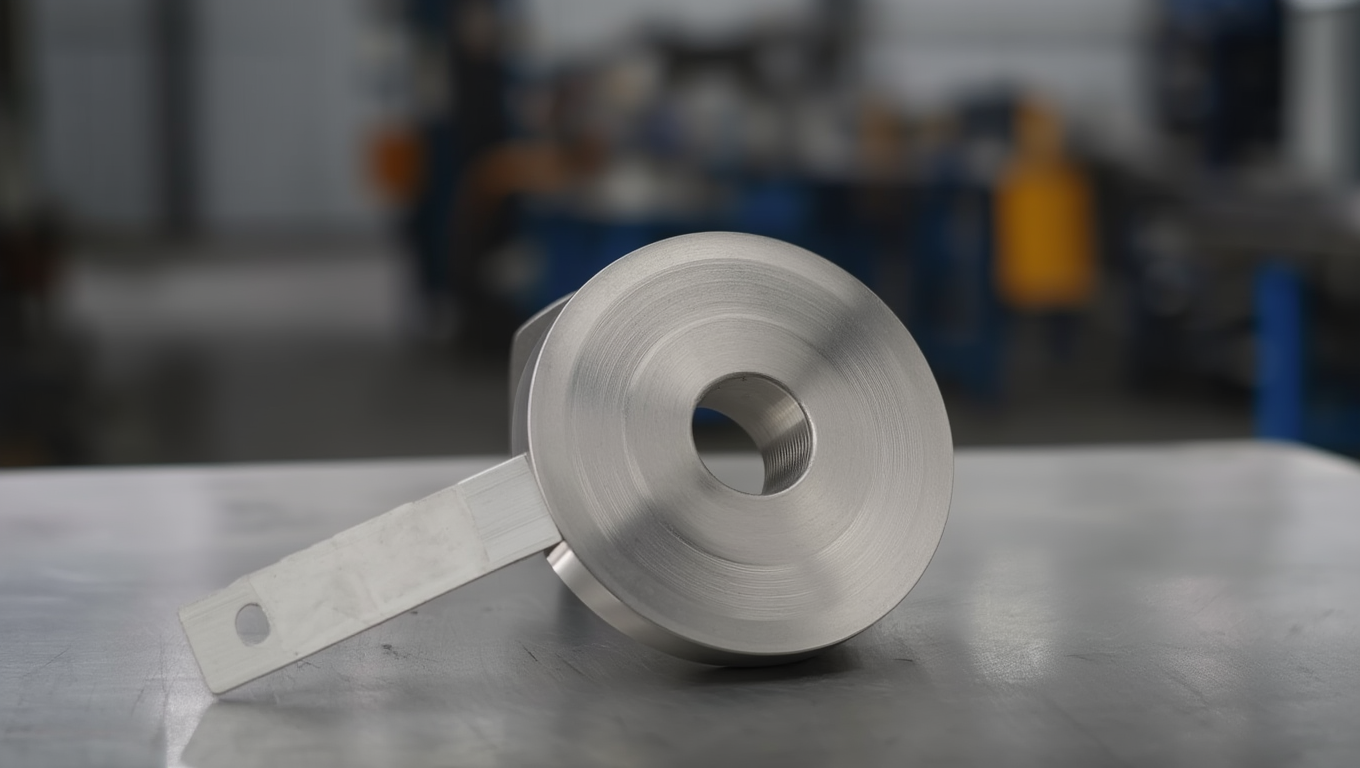

How orifice plates work in industrial flow measurement
Orifice plates measure flow by creating a controlled restriction inside the piping system. As process fluid passes through the bore, velocity increases and pressure drops. Instrumentation reads the pressure difference across the plate, and that differential pressure is used to calculate flow. That operating principle is simple, but reliable field performance depends on disciplined machining, proper plate selection, stable installation geometry, and realistic operating data.
In many industrial settings, orifice plates remain attractive because they are familiar, serviceable, and practical across a broad range of process conditions. They are often selected for oil and gas, power generation, chemical processing, water treatment, and utility service where teams want a dependable primary element that integrates well with standard differential pressure measurement practices. Companies evaluating the broader measurement assembly often also review differential pressure flow measurement and complete flow measurement systems while narrowing down the best configuration.
Stable readings usually come from matching the plate and installation to the real process conditions, not from choosing by nominal pipe size alone.
Orifice plates for gas, liquid, and steam service
Gas applications
Gas service often demands careful review of pressure, temperature, operating range, and upstream flow profile. A well-machined plate paired with suitable installation hardware helps maintain repeatable measurement in demanding industrial environments.
Liquid applications
Liquid service frequently calls for attention to viscosity, solids content, corrosion potential, and acceptable pressure drop. Plate style and material become especially important where contamination or wear may affect long-term consistency.
Steam applications
Steam service adds its own considerations around condensate management, temperature, and instrument-side stability. Related hardware such as condensate chambers may be part of a more complete installation in these conditions.
Industrial teams that need a direct product option can move into universal orifice plates or compare another configuration through paddle-type orifice plates. Buyers evaluating pressure-loss tradeoffs may also want to compare performance characteristics against venturi flow meter systems.
Choosing the right orifice plates
Choosing the right orifice plate starts with process data. Media type, line size, internal diameter, pressure, temperature, and expected flow range all influence bore sizing and overall suitability. Material selection matters just as much. Corrosive service, elevated temperatures, abrasive conditions, and pressure class requirements all affect whether carbon steel, stainless steel, or another alloy makes better sense for the job.
Choosing the right orifice plates for repeatable performance
Repeatable performance also depends on what surrounds the plate. Flow disturbances from elbows, valves, reducers, and nearby equipment can affect the differential pressure reading. Meter runs, holders, flanges, and straight-run availability all deserve attention before the plate is put into service. Buyers working through those details often review related hardware such as orifice flange unions, RTJ plate holders, meter tubes, and straightening vanes.
Common inputs used during selection
- Pipe size, schedule, and internal diameter
- Media type and composition
- Operating pressure and temperature
- Minimum, normal, and maximum flow rate
- Allowable pressure drop
- Installation method, holder style, or flange arrangement
- Available straight run and known upstream disturbances
- Material requirements and corrosion considerations
Additional review points
Replacement projects may also require original dimensions, existing assembly details, or older prints. When standard dimensions do not fit the field conditions, Flowell can also support projects that involve custom machine work.
Practical ordering advantage
The more complete the operating and dimensional data is at the start, the easier it is to narrow down a plate that fits the service correctly and reduces back-and-forth during quoting.
Common types of orifice plates
Not all orifice plates are built the same way. Different bore patterns and handling styles are used depending on the media and the physical realities of the installation. Selection should always be grounded in service conditions rather than habit or convenience.
| Type | Typical Fit | Why It Is Chosen | Related Flowell Link |
|---|---|---|---|
| Universal Type | General-purpose differential pressure service | Widely used where a practical and standards-based primary element is needed | Universal Orifice Plates |
| Paddle Type | Applications where handling and changeout convenience matter | Often preferred where maintenance workflow is a stronger consideration | Paddle-Type Orifice Plates |
| Specialty Configurations | Services with unique operating or mechanical requirements | May be reviewed when standard options do not fit the conditions cleanly | Contact Flowell |
Teams comparing related measurement hardware may also find value in reviewing flow nozzles, especially where service severity or velocity profile makes another primary element worth discussing.
Orifice plates compared with other flow measurement options
When comparing measurement devices, the best choice usually depends on what matters most in the application. Some projects prioritize lower installed cost and established plant familiarity. Others place more value on reduced permanent pressure loss, tighter geometric control, or different maintenance routines. The chart below helps frame the conversation.
| Feature | Orifice Plates | Venturi Meters | Flow Nozzles |
|---|---|---|---|
| Installed Cost | Often a practical choice | Typically higher | Application dependent |
| Permanent Pressure Loss | Needs review by service | Generally lower | Moderate depending on configuration |
| Maintenance Practicality | Often straightforward | Can be more involved | Varies by installation |
| Industrial Familiarity | Very strong | Strong | Strong in the right services |
| Best Fit | Broad industrial differential pressure measurement use | When lower pressure loss is a larger priority | When service conditions favor nozzle geometry |
For users who want more detail on this comparison, Flowell also covers the different types of flow meters, key factors to consider when choosing the right flow meter, and ultrasonic vs differential pressure flow meters.
Installation details that affect orifice plates
Even a well-machined plate can underperform if the installation is unstable. Straight-run limitations, turbulence, swirl, debris, poor alignment, and mismatched holder geometry all affect how dependable the final measurement will be. That is why installation quality is often just as important as the plate itself.
In constrained layouts, supporting products such as meter tubes and straightening vanes can improve the flow profile before it reaches the primary element. In dirtier service, upstream protection through carbon and stainless steel strainers may help reduce debris-related drift. Installations involving venting or draining may also incorporate bleed rings.
Buyers who are troubleshooting a measurement issue can also review what factors affect flow measurement accuracy, how to install a flow meter correctly, and how a differential pressure transmitter is calibrated.
Common causes of unstable readings
- Insufficient upstream or downstream straight run
- Swirl and turbulence from fittings or nearby equipment
- Poor alignment during installation
- Debris, wear, or fouling that changes the effective restriction
- Mismatched bore sizing for the real operating range
- Incorrect supporting hardware for the service
Field review priority
When readings drift over time, the problem is not always the instrumentation. The surrounding installation often tells the real story.
Materials, machining, and quality considerations for orifice plates
Material and machining quality play a major role in long-term performance. Plate thickness, edge condition, surface finish, dimensional accuracy, and alloy selection all affect whether the plate holds up well under the actual process conditions. High temperature, corrosion, solids, and erosive flow can all shorten service life when material selection is not well matched to the application.
Orifice plates material selection and service fit
Stainless steel is a common choice where corrosion resistance is important, while carbon steel may fit certain services with different cost and environment priorities. Other alloys may be reviewed when process chemistry, temperature, or wear conditions are more demanding. Buyers ordering replacement parts should always consider whether the older material choice still makes sense for the way the line operates today.
Machining quality also matters when repeatable differential pressure measurement is the goal. Clean edges, dependable dimensions, and proper fit-up help the plate perform more consistently. When standard catalog parts do not cover the full need, Flowell can assist with specialty requirements through custom machine work.
Where orifice plates are commonly used
Oil and gas
Used in process lines, utility service, and broader differential pressure measurement applications where durable and familiar components are preferred.
Chemical and industrial processing
Selected in systems where media properties, pressure loss, and corrosion resistance all need to be balanced carefully.
Power, water, and utility systems
Applied where dependable flow readings support operations, monitoring, process stability, and maintenance planning.
Additional reading on field use is available through what industries use orifice plates, what is the purpose of an orifice plate, and what are the different types of orifice plates.
What to send when requesting orifice plates
A faster quote usually starts with complete application details. The more precise the process data is, the easier it is to review bore sizing, material fit, pressure loss expectations, and the surrounding hardware that may be needed for dependable service.
Helpful quoting information
- Line size, schedule, and internal diameter
- Media type and any composition notes
- Operating pressure and temperature range
- Minimum, normal, and maximum flow
- Allowable pressure drop
- Material requirements
- Existing holder, flange, or assembly details
Project notes that can speed things up
- Whether the job is a replacement or new installation
- Whether existing prints or legacy dimensions are available
- Whether straight-run limitations are already known
- Whether venting, draining, or condensate management hardware is also needed
Once the operating details are ready, you can send them through contact us or start directly with sizing support. Buyers who want to browse additional categories first can return to the Flowell homepage or review the full flow measurement products lineup.
Additional technical resources for orifice plates
Flowell also offers related reading that can help buyers and engineers compare devices, installation conditions, and measurement concerns in more depth. Useful resources include optimizing flow measurement with orifice flanges, what is an orifice flange, common applications of orifice flanges, and benefits of using orifice flanges for flow measurement.
For external technical reference, many engineering teams also review ISO 5167 when working with differential pressure flow measurement practices.
Orifice Plates FAQs
What are orifice plates used for?
Orifice plates are used as primary elements in differential pressure flow measurement for gas, liquid, and steam service where a dependable and widely accepted measurement method is needed.
How do I choose the right orifice plates?
The best starting points are media, line size, internal diameter, operating pressure, temperature, expected flow range, allowable pressure drop, and material requirements. Those details make it easier to narrow down the right plate configuration.
What is the difference between universal and paddle-type orifice plates?
Universal orifice plates are often chosen for broad general-purpose differential pressure applications, while paddle-type orifice plates are often selected where handling and maintenance access are bigger considerations.
Do orifice plates work for steam service?
Yes, orifice plates are commonly used in steam applications, but the full installation should also account for temperature, condensate handling, and instrument-side stability.
Can Flowell help with replacement orifice plates?
Yes. Flowell can review dimensions, operating data, and surrounding hardware details to help narrow down a replacement option that matches the service requirements.
Where can I request a quote for orifice plates?
You can send your application details through contact us or begin with sizing support if you already have the operating data ready.
Talk with Flowell about orifice plates
If you are comparing options, replacing an existing plate, or pricing a new installation, Flowell can help review the operating conditions and hardware details involved. Reach out through contact us, submit details through sizing support, or return to the homepage for more flow measurement products and technical resources.