What Are the Benefits of Using Orifice Flanges for Flow Measurement?
The benefits of using orifice flanges for flow measurement come down to a combination of measurement reliability, practical serviceability, broad application range, and compatibility with well-established industry standards. These qualities are why orifice flanges have remained a dominant choice in industrial flow measurement for decades, even as newer technologies have emerged. Flowell manufactures orifice flange unions for demanding service environments where those qualities need to hold up over long operating cycles. For a full technical breakdown of how these assemblies work and how to select the right configuration, visit orifice flange union.
Understanding what makes orifice flanges a strong choice also means understanding where their limits are. This page covers both so the comparison is honest and the decision-making process is grounded in the actual service conditions. For context on how orifice flanges fit within broader differential pressure flow measurement practice, that page provides a useful foundation before diving into the advantages and tradeoffs covered here.
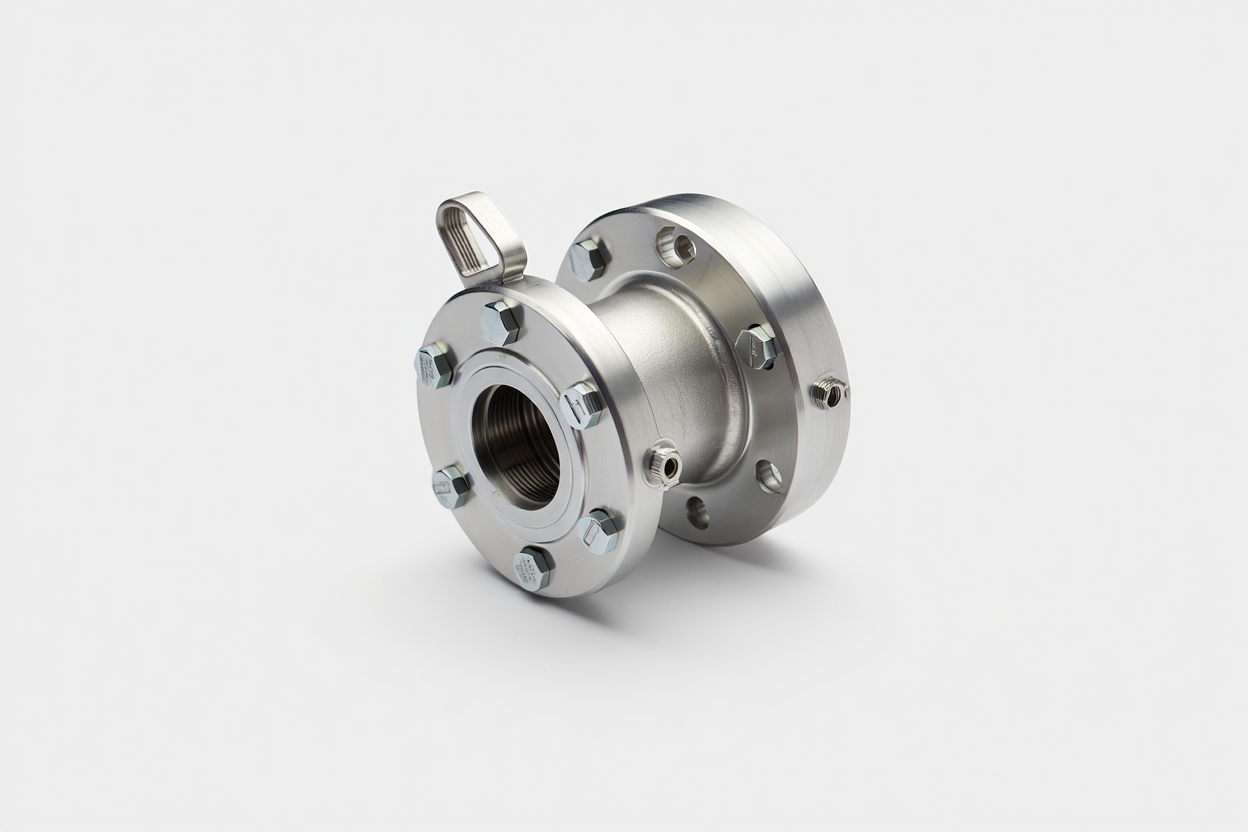
Key benefits of using orifice flanges for flow measurement
No flow measurement technology is the right answer for every application, but orifice flanges cover a wider range of service conditions with fewer compromises than most alternatives. The advantages below are grounded in how these assemblies actually perform in the field rather than how they look on a specification sheet.
Permanent pressure loss is the one area where orifice flanges require honest review. In services where recovering that pressure matters, comparing against venturi tubes or flow nozzles is worth the time before committing to a design.
Measurement accuracy and long-term repeatability
Orifice flanges produce a pressure differential that is directly proportional to the flow rate, and that relationship is well characterized across a wide range of fluid types and operating conditions. When the plate is machined to the right tolerances, seated correctly, and installed in a stable flow environment, the readings are consistent and the measurement holds its calibration over time without constant attention.
Why orifice flanges for flow measurement deliver reliable long-term data
Repeatability is different from accuracy in a practical sense. A device that reads the same value consistently under the same conditions is repeatable, and that quality is what makes orifice flanges dependable for process control, allocation measurement, and regulatory reporting. The geometry of the orifice plate does not change over time the way a moving part would, which means a well-maintained installation can hold its performance characteristics for years. This is one of the strongest benefits of using orifice flanges for flow measurement in applications where the cost of recalibration or measurement uncertainty is significant.
What supports accuracy in practice
- Plate bore machined to tight tolerances with a clean, square upstream edge
- Consistent plate seating position with every installation and removal cycle
- Aligned pressure taps with clean, unobstructed bores to the transmitter
- Stable upstream flow profile with adequate straight run on both sides of the assembly
- Beta ratio selected to keep the differential within the usable instrument range across the full operating flow range
When readings drift over time, the cause is almost always one of those installation or operating factors rather than a fundamental limitation of the measurement method. A useful reference for troubleshooting those conditions is what factors affect flow measurement accuracy.
Practical field serviceability and low maintenance demands
One of the most underappreciated benefits of orifice flanges is how straightforward they are to inspect and service in the field. There are no moving parts, no electronics embedded in the primary element, and no complex mechanical mechanisms that can wear or fail. The orifice plate is the component most likely to need attention over time, and the union-style assembly is specifically designed to make plate access practical without requiring the entire assembly to be cut out of the line.
Plate access without line removal
Unbolting the flange pair provides direct access to the orifice plate for inspection, replacement, or re-ranging. This means maintenance can be performed during a planned turnaround without cutting and re-welding the meter run, which reduces both the time required and the disruption to the surrounding piping system.
No recalibration of the primary element
Unlike some flow measurement technologies where the primary element requires periodic calibration at an external facility, an orifice plate that is in good condition and correctly installed does not require recalibration. The measurement is based on a calculated relationship that is governed by the geometry of the plate and the piping, which does not drift unless the physical dimensions change. For applications where calibration is still required at the transmitter level, how much does flow meter calibration cost provides useful context.
Supporting hardware that extends service intervals
The surrounding meter run hardware contributes directly to how long the assembly can run without attention. Meter tubes provide a stable flow environment that reduces the velocity profile distortions most likely to cause plate wear in dirty service. Carbon and stainless steel strainers upstream of the meter run protect the plate edge from debris that would otherwise cause progressive measurement drift over time.
Broad applicability across industries and fluid types
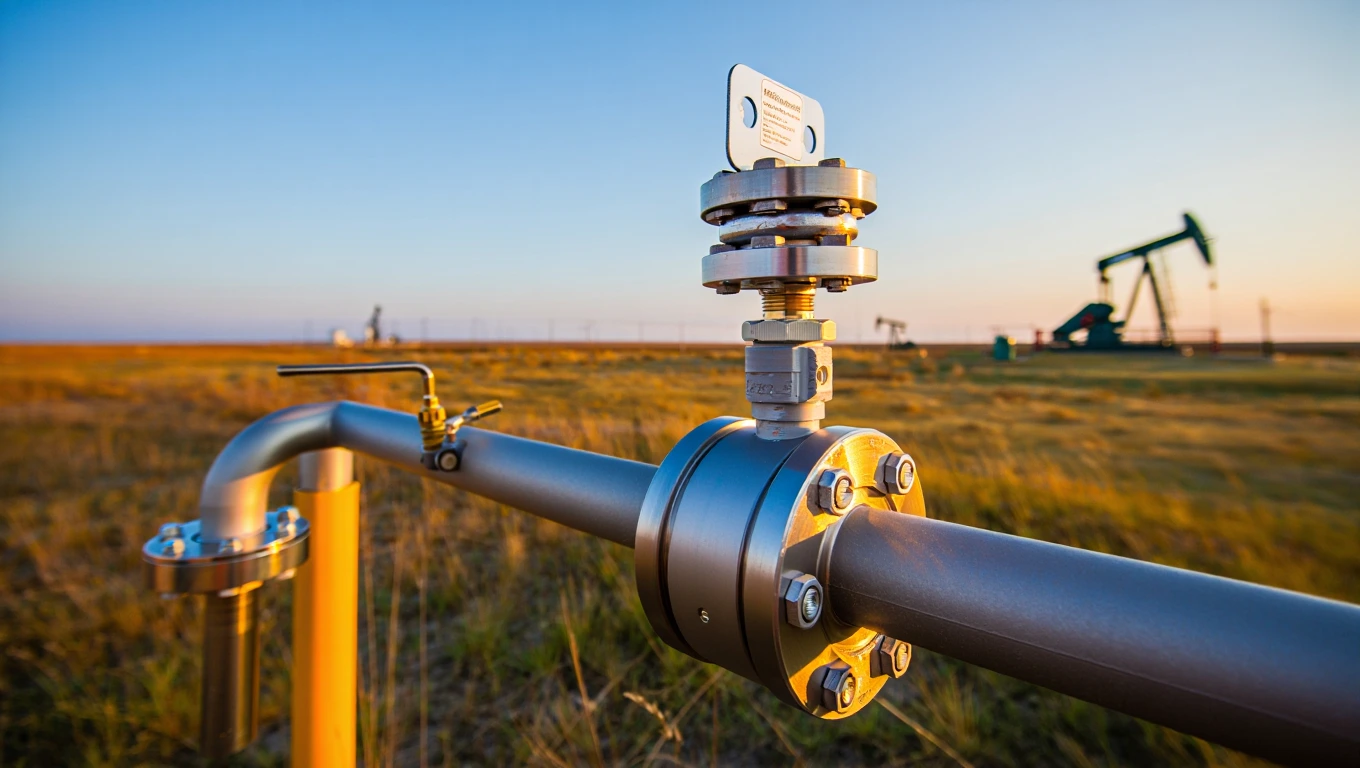
Orifice flanges work with liquids, gases, and steam across a pressure range from CL150 through CL1500 and in temperatures that span cryogenic to high-temperature process service. That combination of fluid compatibility and operating range makes them one of the few primary element options that can be standardized across an entire facility rather than specified application by application. A more detailed look at where orifice flanges see the most use is available in common applications of orifice flanges.
Oil and gas
Wellsites, gathering systems, pipelines, refineries, and custody transfer meter runs all rely on orifice flanges for flow data that needs to be accurate, verifiable, and defensible against regulatory or commercial scrutiny.
Chemical and petrochemical
Process control loops, utility monitoring, and safety systems in chemical plants benefit from the broad material compatibility and the ability to handle corrosive or aggressive process fluids with the right alloy selection.
Power generation
Steam and feedwater systems require measurement hardware that performs reliably under high temperature and pressure conditions over long service intervals without constant intervention.
Water and wastewater
Municipal and industrial water systems use orifice flanges for distribution monitoring, dosing control, and process measurement where long-term consistency and low maintenance overhead are the primary operational priorities.
Midstream and pipeline
Allocation measurement, pipeline monitoring, and custody transfer applications require a primary element approach that is backed by recognized standards and whose performance can be independently verified.
General industrial
Compressed air, nitrogen, and utility process lines across manufacturing facilities benefit from a familiar, maintainable measurement approach that fits within standard piping practice without requiring specialized installation expertise.
Standards compatibility and measurement traceability
One of the most practically important benefits of orifice flanges for flow measurement is the depth of standards coverage behind the technology. ISO 5167 provides a comprehensive international framework for differential pressure devices in closed conduits, and American Gas Association (AGA) methodologies are widely referenced in natural gas measurement applications across North America. ASME B16.5 governs the flange dimensions and pressure-temperature ratings of the assembly itself.
Having that standards foundation matters for several reasons. It means the calculation methodology has been validated across a wide range of conditions and can be applied consistently from one installation to the next. It means measurement results can be audited, challenged, and defended using a recognized reference. And it means the engineers and technicians most likely to work on the system are already familiar with how the measurement works and what affects it.
Benefits of orifice flanges for flow measurement in regulated applications
In custody transfer, fiscal metering, and regulatory reporting contexts, having a measurement method that is explicitly covered by a recognized standard is not optional. Orifice flanges meet that requirement in a way that more proprietary or application-specific technologies cannot always match. This traceability to published standards is a direct and practical benefit that affects the commercial and legal standing of the flow data, not just its technical quality.
How calibration and verification fit in
For applications where transmitter performance needs periodic verification, how a differential pressure transmitter is calibrated covers the process in detail. The primary element itself does not require factory recalibration as long as its physical dimensions remain within tolerance, which is one of the features that distinguishes orifice-based DP measurement from technologies where the sensor and the primary element are integrated and must be calibrated together.
Orifice flanges compared to other flow measurement approaches
Understanding the benefits of orifice flanges requires an honest look at where they fit and where they do not. The table below compares the key practical dimensions across the most common DP primary elements and helps frame the decision for real service conditions.
| Consideration | Orifice Flange Union | Venturi Tube | Flow Nozzle |
|---|---|---|---|
| Permanent pressure loss | Moderate, beta ratio dependent | Significantly lower | Moderate to lower |
| Plate or element replacement | Straightforward, no line cut required | Full assembly removal needed | Varies by installation |
| Standards coverage | Extensive, ISO 5167, AGA, ASME | ISO 5167 coverage available | ISO 5167 coverage available |
| Material options | CS, SS, special alloys | CS, SS, special alloys | CS, SS, special alloys |
| Best fit | Broad industrial service with strong standards requirements | When lower pressure loss justifies the higher initial cost | High-velocity or erosive service where plate edge wear is a concern |
For a broader look at how these technologies compare across a wider set of criteria, key factors to consider when choosing the right flow meter and the different types of flow meters both provide useful perspective before committing to a primary element selection. Teams evaluating DP measurement against non-DP options may also want to review ultrasonic vs differential pressure flow meters.
Durability, material options, and long-term value
The all-metal construction of a well-specified orifice flange means there are no elastomers, coatings, or electronics in the primary element that can degrade under process conditions. Carbon steel and stainless steel handle the majority of applications, with special alloys available through custom machine work for services involving elevated temperatures, aggressive chemistries, or sour environments.
Material selection by service condition
- Carbon steel covers general-purpose service where corrosion is not the primary concern and cost is a priority
- 304/316 stainless steel handles a broad range of corrosive media and elevated temperature applications
- Special alloys are available on request for sour service, high-temperature environments, or unique process chemistries
- Material test reports are available on request for projects with documentation requirements
Where durability pays off operationally
In remote locations, offshore platforms, cold climate installations, and other environments where access for maintenance is difficult or expensive, the durability of a properly specified orifice flange translates directly into lower lifetime operating cost. A primary element that does not require periodic removal for calibration, does not have sensors that can fail, and does not have moving parts that wear out is a meaningful operational advantage in those contexts.
The surrounding hardware contributes to longevity as well. Straightening vanes reduce turbulence-driven plate wear. Bleed rings allow controlled venting and draining at the measurement point without disturbing the assembly. Taken together, these components extend the service interval and reduce the maintenance events required over the life of the installation.
Installation, integration, and compatibility with existing systems
Orifice flanges follow standard ASME B16.5 flange dimensions, which means they integrate directly into existing piping systems without requiring custom adapters, special fittings, or modifications to the surrounding pipe. The bolting pattern, face type, and pressure class all follow recognized standards that any competent piping crew will be familiar with. This compatibility reduces installation time, lowers the risk of errors during commissioning, and simplifies the procurement process since the surrounding hardware does not need to be custom engineered around the measurement assembly.
Benefits of orifice flanges for flow measurement during system integration
In retrofit and upgrade projects, this compatibility is especially valuable. Replacing an aging flow element or upgrading from a different primary element style can often be accomplished by matching the flange size, pressure class, and face type of the existing installation, which minimizes the scope of the surrounding piping work. When the installation involves non-standard dimensions or unique layout constraints, Flowell can work through those requirements via custom machine work.
Flow conditioning hardware for constrained layouts
When the available piping layout does not provide adequate straight run on the upstream side of the measurement point, two options are available. Meter tubes provide a prefabricated straight-run section with a known, controlled internal geometry that satisfies the straight-run requirement regardless of what is upstream of the meter run. Straightening vanes reduce swirl and turbulence within a shorter physical length when space is the binding constraint. Both approaches are commonly used in brownfield projects where the existing piping layout was not originally designed around a precision measurement point.
For a full look at how these components work together within a complete measurement system, flow measurement systems covers the broader assembly context, and orifice plate flow meter systems focuses specifically on orifice-based configurations.
Orifice flange benefits FAQs
What are the main benefits of using orifice flanges for flow measurement?
The main benefits are long-term measurement repeatability, broad standards coverage including ISO 5167 and AGA methodologies, practical field serviceability without line removal, compatibility with a wide range of fluid types and pressure classes, and all-metal construction that holds up in demanding service environments without introducing degradable components into the primary element.
Do orifice flanges require recalibration over time?
The orifice plate itself does not require factory recalibration as long as its physical dimensions remain within tolerance. The measurement is based on the geometry of the plate and the piping, which does not drift unless the physical dimensions change due to wear, damage, or deposits. Transmitter calibration is a separate matter and should follow the manufacturer’s recommended interval. For more on that topic, how a differential pressure transmitter is calibrated provides a useful overview.
How do orifice flanges compare to venturi tubes for flow measurement?
Venturi tubes generate a lower permanent pressure loss than orifice plates at the same beta ratio, which is an advantage in services where recovering that pressure matters. Orifice flanges are generally simpler to maintain because the plate can be accessed without removing the full assembly from the line, while venturi tubes require more involved removal if the element needs to be inspected or replaced. For many general industrial applications the serviceability and standards coverage of the orifice flange makes it the practical choice, but in services where pressure loss is a significant operating cost, venturi tubes deserve a direct comparison.
Are orifice flanges suitable for gas measurement?
Yes. Orifice flanges are widely used for gas measurement including natural gas, fuel gas, and process gases. The AGA methodologies provide a well-established calculation framework for gas applications, and the assembly can be configured with the appropriate tap style, face type, and material for the specific service. Condensate management in the impulse lines is a consideration for some gas applications, and condensate chambers are available to address that requirement.
Where can I learn more about orifice flange applications?
A full breakdown of where orifice flanges are used across different industries and service types is available in common applications of orifice flanges. For technical background on how the assembly works and how to select the right configuration, visit what is an orifice flange or the full selection and specification guide at orifice flange union.
How do I get an orifice flange union quoted by Flowell?
Send your line size and schedule, pressure class, face type (RF or RTJ), tap configuration, material, process conditions, flow range, and applicable standard through contact us or start with sizing support. Full product details are available on the orifice flange union product page.
Talk with Flowell about orifice flanges
Whether you are specifying a new measurement point, replacing an aging assembly, or evaluating whether an orifice flange is the right fit for a specific service, Flowell can help review the operating conditions and narrow down the best configuration. Send your process details through contact us, start with sizing support, or move directly to the orifice flange union product page. Return to the Flowell homepage to explore the full range of flow measurement products and resources.